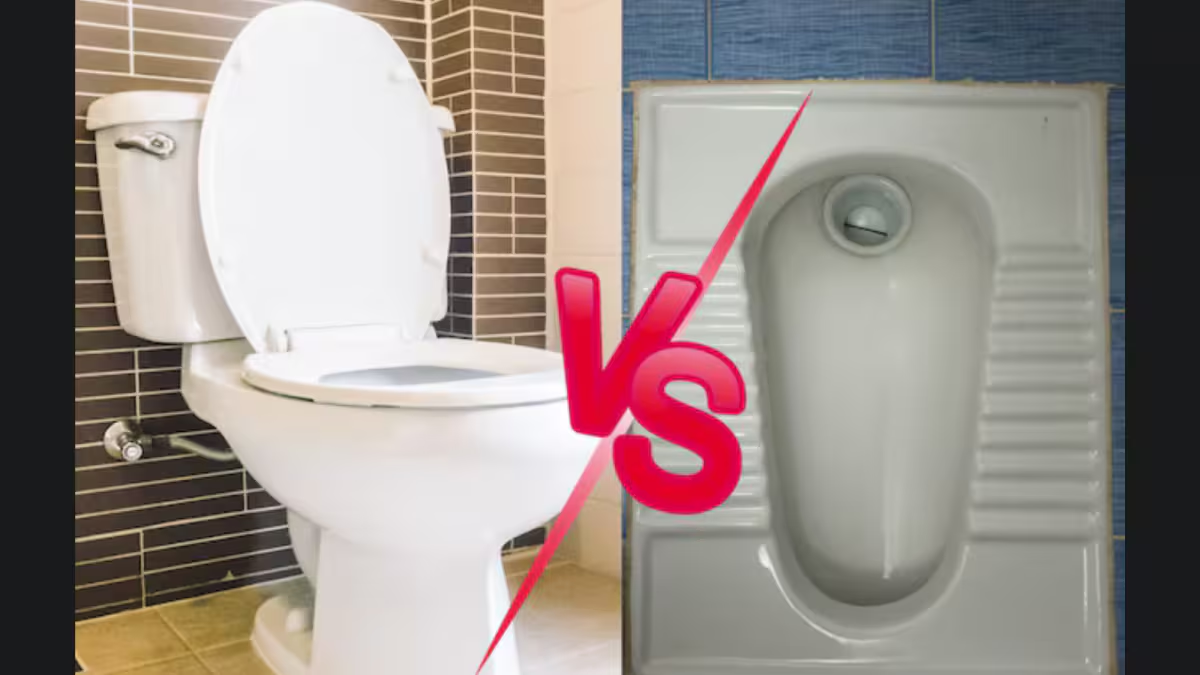
Choosing the proper toilet for your home is not just about appearance. It is about comfort, long-term convenience, hygiene habits, family needs, and the overall style of your bathroom. Many homeowners today find themselves comparing an indian toilet with a one piece toilet, wondering which option is more practical for a modern space while still meeting everyday requirements.
Both styles come with their own advantages and suit different lifestyles. The key lies in understanding how each works and what your bathroom truly needs.
What Is An Indian Toilet?
An indian toilet is a traditional squat-style fixture installed at floor level. Instead of sitting, the user squats over the pan. This design has been used for generations across India due to its simplicity, durability, and ease of maintenance. With no seat or lid, cleaning is generally straightforward.
Some often prefer squat toilets for health-related reasons, as the squatting posture may support comfortable bowel movement, although overall digestive comfort also depends on diet, hydration, and individual health. The structure is compact, making it suitable for smaller or utility-style bathrooms.
While many households wash the floor frequently, a constantly wet floor is not a requirement, and proper cleaning practices apply to all toilet types. Anti-skid tiles such as Impatto, Basaltino, or Spice Wood provide better grip and reduce the risk of slipping during routine cleaning.
What Is A One-Piece Toilet?
A one piece toilet is a modern European Water Closet (EWC) in which the tank and bowl are integrated into a single seamless unit. This creates a clean, refined appearance with fewer visible joints.
These toilets are suitable for contemporary homes, apartments, and bathrooms where comfort and aesthetics are priorities. The seated posture is easy to use for people of different ages, particularly those who may prefer additional support.
Modern one-piece toilets often feature soft-close seats, efficient flushing systems, and sleek silhouettes. They pair well with minimalist tile designs like Venitto or Impero to create a cohesive and modern bathroom environment.


Key Benefits Of Indian Toilets
The indian toilet continues to be valued for its practicality and affordability, especially in traditionally designed homes.
- Requires fewer fittings, which can reduce overall cost, although plumbing requirements may be similar to other toilet systems
- Suit households that prefer floor-level installations and traditional cleaning practices
- Hygiene depends primarily on cleaning habits rather than toilet type
- Allows full floor cleaning when preferred
- Practical for rural homes, servant quarters, and utility bathrooms
- Long-lasting and structurally durable
Drawbacks Of Indian Toilets
Despite their functionality, Indian toilets may not be convenient for all users.
- Squatting can be challenging for some elderly individuals or those with mobility issues, although support rails and adaptive accessories can improve accessibility
- Slipping risk may increase if proper anti-skid flooring is not used
- May not complement modern design aesthetics in contemporary bathrooms
Advantages Of One-Piece Toilets
A one piece toilet offers comfort and visual appeal, making it popular in modern residential settings.
- Comfortable seated posture suitable for regular daily use
- Smooth structure helps simplify cleaning routines.
- Water splash control varies by bowl design and flushing technology, not solely by toilet type
- Enhances the overall visual appeal of a contemporary bathroom
Modern one piece toilets often feature soft-close seats, efficient flushing systems, and streamlined designs that support both comfort and easy maintenance. Brands such as Simpolo Tiles & Bathware offer a range of one piece toilets and indian toilets designed with water-efficient flush mechanisms, hygienic surface finishes, and understated aesthetics, making them suitable for modern homes as well as premium residential spaces. Their coordinated bathroom tile collections further help create a consistent and visually harmonious bathroom environment.
Things To Consider Before Choosing A One-Piece Toilet
While a one piece toilet provides contemporary aesthetics and comfort, it is essential to plan thoughtfully.
- Space requirements vary by model and are not always greater than those of squat toilets.
- Requires regular cleaning of the seat and surface to maintain hygiene
- Maintenance needs depend on product quality and usage, similar to other toilet systems.
- Flush mechanisms and fittings may require occasional servicing over time.
- Water consumption may be higher in some models, although modern designs focus on water efficiency.
Which One Should You Choose?
The ideal choice depends on your household preferences and daily usage.
Choose an indian toilet if:
- You prefer traditional functionality
- You want a straightforward setup.
- You are comfortable with a squat design.
Choose a one piece toilet if:
- Comfort and modern aesthetics are priorities
- You prefer seated convenience.
- Your household includes users who prefer easier accessibility.
Conclusion
A well-designed bathroom should balance comfort, functionality, and hygiene. Whether you choose the traditional efficiency of an indian toilet or the modern sophistication of a one piece toilet, the best option is the one that aligns with your space, lifestyle, and user preferences.
With thoughtful planning and quality materials, your bathroom can remain both practical and visually appealing for years to come.