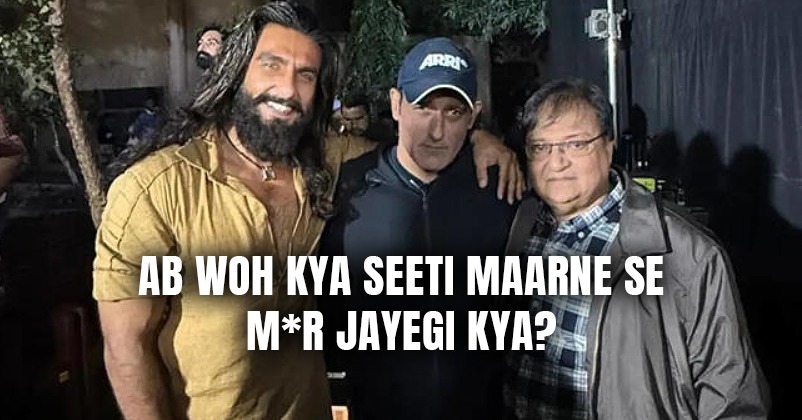
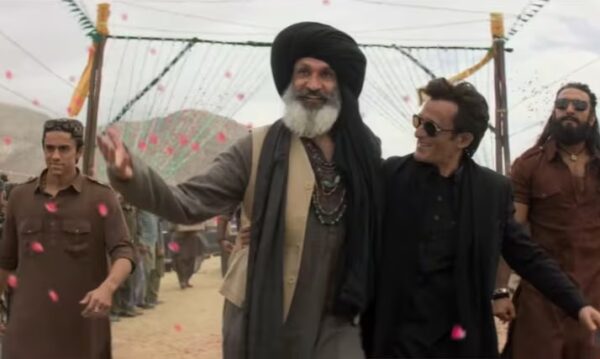
Sometimes, a single role can quietly change the course of a long career. For Rakesh Bedi, Dhurandhar has done exactly that. The film’s staggering box-office run, crossing ₹700 crore worldwide in just two weeks, has left the industry talking and the actor both grateful and amazed. Playing Pakistani politician Jameel Jamali, Rakesh Bedi admits that neither he nor the rest of the team imagined the film would connect with audiences on this scale.
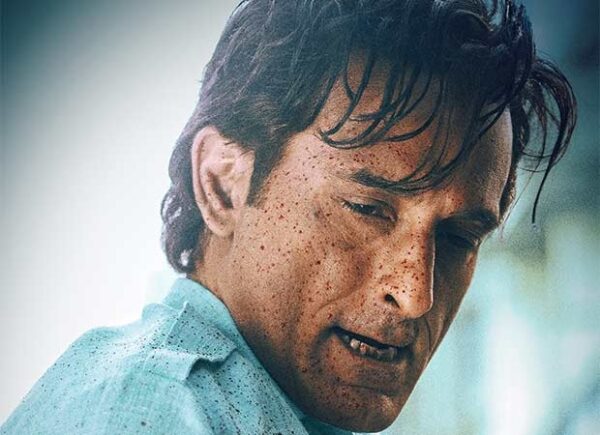
Looking back, Rakesh Bedi believes the film benefited from many things coming together at the right time. He feels every film has its own destiny and success cannot be manufactured by one element alone. One decision that stood out, however, was the makers’ choice to avoid aggressive promotions before release. By keeping things understated, the film built curiosity and tension, allowing audiences to walk into theatres without knowing exactly what awaited them. That sense of suspense, he feels, worked in the film’s favour.
Rakesh Bedi’s association with director Aditya Dhar goes back a few years. He had a brief appearance in Aditya Dhar’s debut film Uri: The Surgical Strike in 2019, where he played an intelligence officer. That short collaboration planted the seed for something bigger. Last year, Aditya Dhar reached out to him with the role of Jameel Jamali in Dhurandhar, a character far removed from the light-hearted parts Rakesh Bedi has been known for. For the actor, it felt like a rare opportunity to break free from the comic image that had followed him for decades.
After years of making people laugh, Rakesh Bedi had been waiting for someone to see another side of him. He believes Aditya Dhar trusted his long experience, both on stage and on screen, to bring depth to a character that appears simple but is not. Jameel, as Rakesh Bedi describes him, is layered, manipulative and quietly dangerous. Having spent nearly 50 years performing without long breaks, Rakesh Bedi felt he had seen enough of life to understand such a person. That understanding helped him step confidently into a darker, more complex space, something he had long hoped to explore.

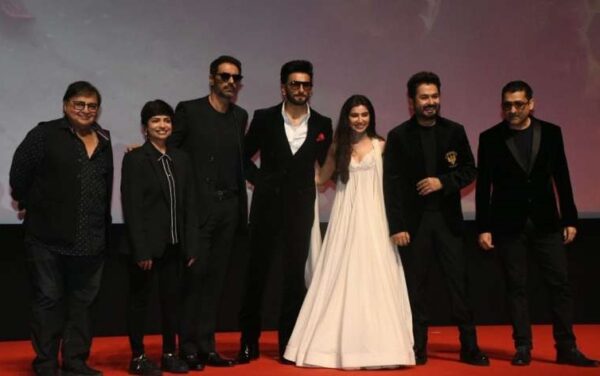
Working alongside actors like Ranveer Singh, Akshaye Khanna and Sara Arjun added another meaningful dimension to the experience. Rakesh Bedi had not met Ranveer before the film but he was aware that the younger actor had grown up watching his work. Their scenes together were shaped by mutual respect and ease, not just as performers but as people sharing the same creative space. With Akshaye Khanna, conversations often drifted toward theatre and the craft of acting, while Sara impressed Rakesh Bedi with her quiet confidence and curiosity, despite being surrounded by far more experienced co-stars.
With Dhurandhar 2 already announced for release on March 19, 2026, Rakesh Bedi hints that Jameel Jamali’s journey is far from over. Without giving away spoilers, he suggests that the character’s political games and power struggles will only grow more intense, especially as alliances shift and control begins to slip. The sequel, he says with a laugh, will reveal just how far Jameel is willing to go when things stop going his way.
The film has also sparked debate for its graphic violence, which includes disturbing and brutal sequences. Rakesh Bedi understands the discomfort but believes the violence serves a narrative purpose rather than existing for shock value. For him, telling a story rooted in harsh realities means showing things as they are, not softening them for convenience. He points out that the powerful villains are meant to inspire fear, and portraying that fear honestly often requires uncomfortable imagery. In his view, violence in Dhurandhar is not celebrated but used to underline the stakes and the world the characters inhabit.


Beyond box-office numbers and debates, Rakesh Bedi feels Dhurandhar has done something rare for the Hindi film industry. Having worked for over four decades, he has seen cycles where the industry falls into repetition, following trends until creativity dulls. He believes this film has acted as a wake-up call, shaking filmmakers out of complacency and reminding them of the power of bold, well-told stories.
For Rakesh Bedi, Dhurandhar is more than a commercial triumph. It represents renewal, recognition and the joy of finally being seen in a new light. After years of familiar roles, he now stands at a moment that feels both, earned and energising, ready to explore uncharted territory with the same dedication which has defined his long career.
 Rakul Preet Singh Opens Up On IT Raid Reports, Says She’s Been Paying Taxes Since She Was 20
 Sanjay Dutt Clarifies ‘Peace’ Remark After Social Media Backlash, Here’s What He Meant
 Dino Morea Arrested In ₹65.54 Crore Mithi River Desilting Case?
 Amitabh Bachchan Injured During KBC 18 Shoot, Suffers Knee Injury….