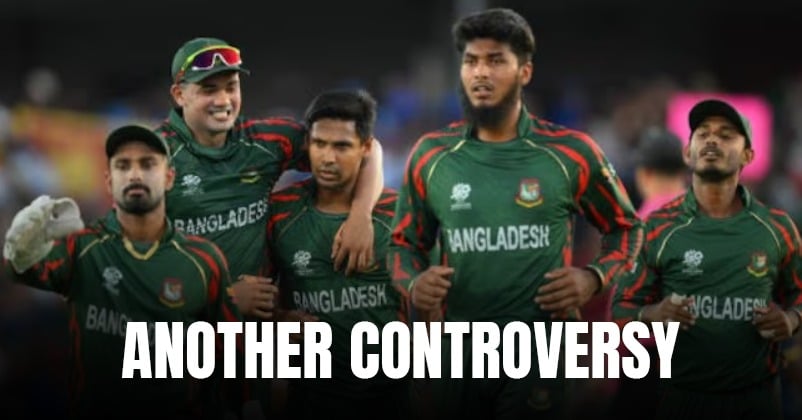
For Bangladesh’s cricketers, the feeling right now is not anger as much as frustration. Just days after believing their protest had forced real change, players are once again questioning whether their voices matter at all. The reinstatement of M Najmul Islam to a key role inside the Bangladesh Cricket Board has reopened wounds that many thought had finally begun to heal.
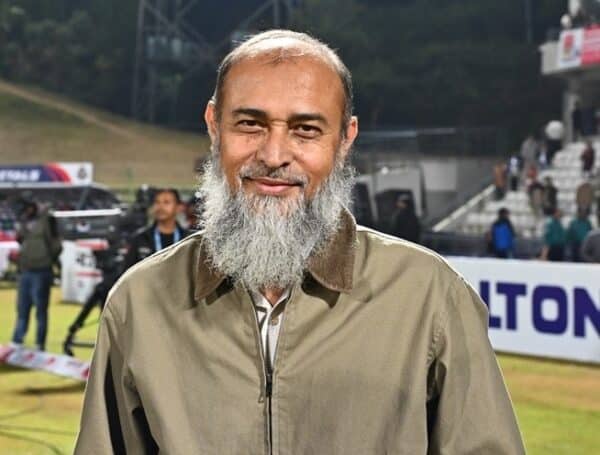
Najmul Islam, a BCB director, was recently brought back as head of the board’s finance department after being removed from all responsibilities following players’ revolt during the Bangladesh Premier League. His return has left many players feeling helpless, especially those who went on strike during the BPL in the hope of seeing him dismissed permanently. The strike was a rare and bold move, driven by frustration and a belief that certain lines had been crossed.
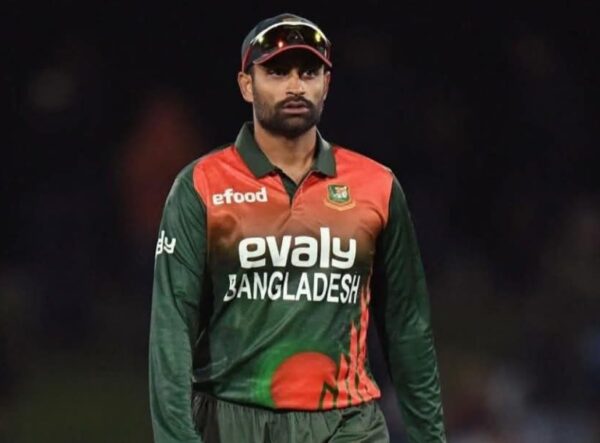
The controversy traces back to comments Najmul Islam made during Bangladesh’s standoff with the International Cricket Council over travel to India for the T20 World Cup 2026. That dispute eventually ended with Scotland replacing Bangladesh in the tournament. During the fallout, Najmul Islam made remarks that were widely seen as inflammatory and disrespectful. When senior batter Tamim Iqbal spoke about keeping diplomatic options open and resolving the issue calmly, Najmul Islam publicly questioned his loyalty. He also downplayed the massive financial loss linked to missing the World Cup and suggested that players were not deserving of any compensation, criticising their performances and contributions to the team’s success.
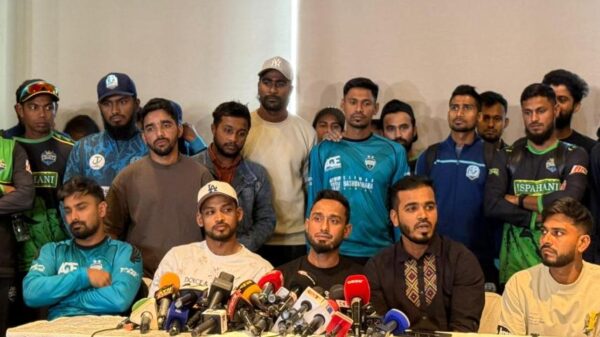
Those comments triggered outrage within the squad. The BCB initially distanced itself from the statements made by Najmul Islam, issued him a show-cause notice, and held long meetings with protesting players. After one day of a BPL boycott and Najmul Islam’s temporary suspension, matches resumed. However, the players’ union continued to demand a formal apology, which never came.
Instead, once the BPL ended, the BCB’s disciplinary department reviewed Najmul Islam’s explanation and cleared him of wrongdoing. Soon after, he was reinstated, a move reportedly backed by strong support from other BCB directors during a recent board meeting. For the players, the timing and silence spoke louder than any official statement.


The reaction inside the dressing room has been bitter and resigned. Some players have responded with sarcasm rather than shock, suggesting that this outcome only confirms how decisions are really made within the system. Calls to “save cricket” are now less about one individual and more about preserving trust between players and administrators.
At a time when Bangladesh cricket needs unity and stability, the episode has deepened the divide. Whether this moment sparks reform or further disillusionment remains to be seen but for many players, faith in the system is clearly wearing thin.
 Bhuvneshwar Kumar’s Second Debut? Here Is Why Bengaluru Could Be A Perfect Venue For Him
 MS Dhoni As CSK’s Mentor In IPL 2027? Ravichandran Ashwin Makes A Big Prediction
 First Time In Cricket History, Shubman Gill To Spend His Money On Personal Net Bowlers For NZ Tests
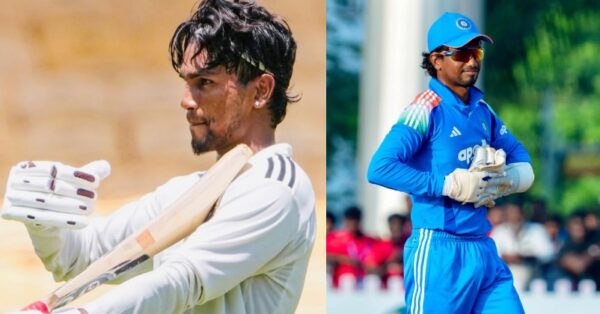 Meet Kumar Kushagra, GT Star Gets Maiden India Call-Up After Record-Breaking Performances