

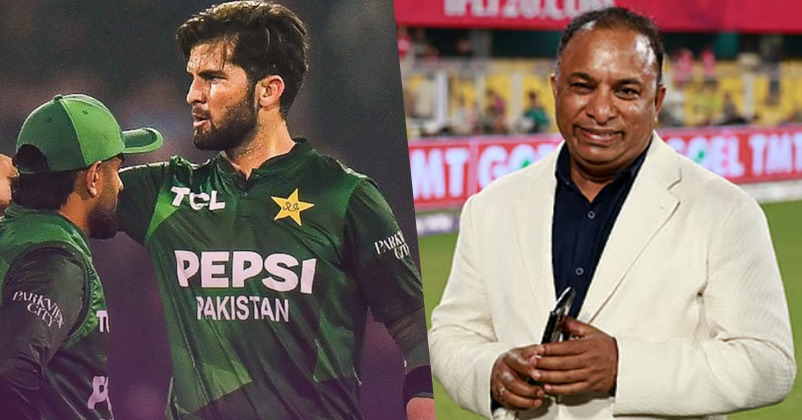
The spotlight has once again shifted to cricket’s most intense rivalry, but this time for reasons far away from the pitch. Pakistan has officially announced that its men’s cricket team will not take the field for the much-awaited ICC T20 World Cup 2026 group match against India, scheduled to be played in Colombo on February 15. The decision has added a fresh layer of uncertainty and controversy to a tournament that was already facing turbulence.
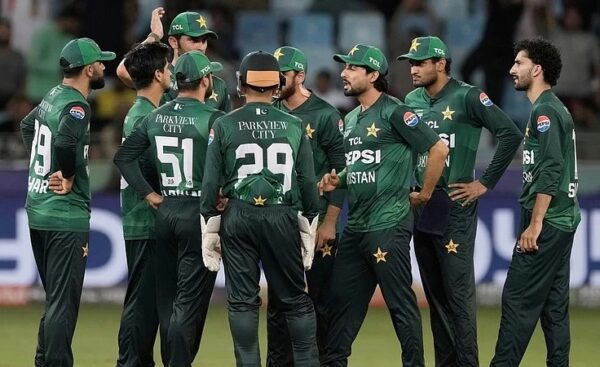
This development comes just days after the ICC removed Bangladesh from the T20 World Cup. Bangladesh had declined to travel to India for its matches, citing security concerns, and requested that its fixtures be moved elsewhere. The ICC rejected the request and asked Bangladesh to travel India and play its matches as per schedule since there are no security concerns but Bangladesh refused to do so after which the apex cricket body was left with no option other than replacing it with Scotland.
During that standoff, the Pakistan Cricket Board openly supported the Bangladesh Cricket Board and reports suggested Pakistan could even consider withdrawing from the tournament in solidarity.
While Pakistan has stopped short of pulling out entirely, the government confirmed on Sunday that the team will participate in the T20 World Cup, which will be co-hosted by India and Sri Lanka from February 7. However, the approval came with a clear condition that Pakistan will not play the match against India on February 15. The announcement was made through the official X account of the Government of the Islamic Republic of Pakistan, without offering any explanation for the decision.
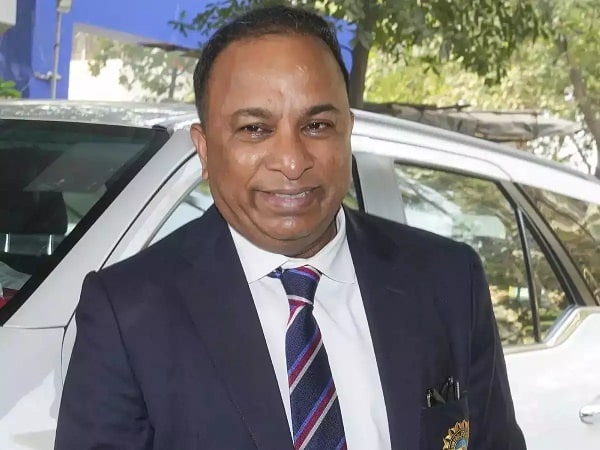
In response, the BCCI secretary Devajit Saikia said the Indian board would wait for formal communication before reacting. Speaking to a news channel, Devajit Saikia stressed that it would not be appropriate to comment until the information is received through official channels. He indicated that once clarity emerges, the BCCI would issue a statement addressing the situation and its possible outcomes.


The ICC, meanwhile, has expressed concern over Pakistan’s stance. While respecting the role of governments in national decisions, the global governing body warned that such a move could invite punitive sanctions. The ICC emphasised that refusing to play could have serious long-term consequences for Pakistan’s own cricket and would disrupt the wider cricketing ecosystem. It also noted that the decision does not serve the interests of the global game or the millions of fans who follow the sport, including those in Pakistan.
With the world’s most lucrative cricket fixture now in doubt, the situation remains tense. Until official correspondence is exchanged and positions are clarified, the fate of the India-Pakistan clash, the heartbeat of any ICC tournament, hangs uncertain, casting a shadow over the build-up to the T20 World Cup.