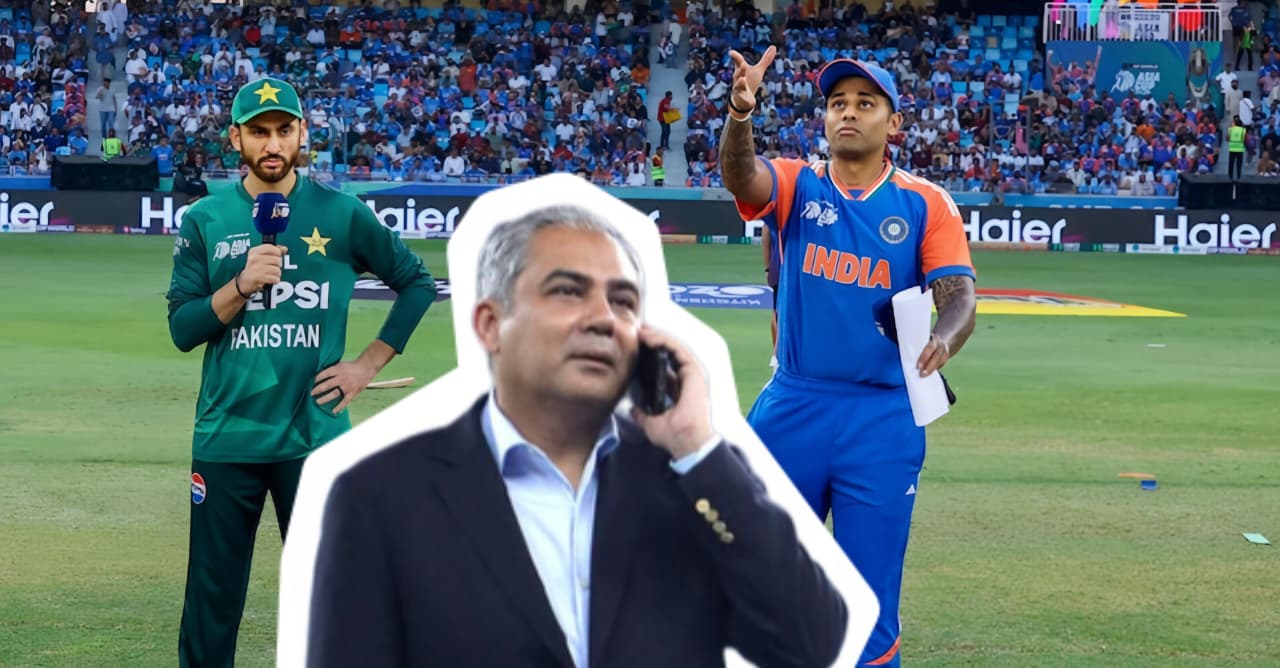
Fresh uncertainty has surfaced around the much-anticipated India versus Pakistan match at the 2026 T20 World Cup, as tensions rise between the International Cricket Council and the Pakistan Cricket Board. The issue centres on Pakistan’s decision not to play India in their group-stage match on February 15, despite agreeing to travel to Sri Lanka for the tournament. What has caught the ICC’s attention is the lack of any formal communication from the PCB explaining the move.
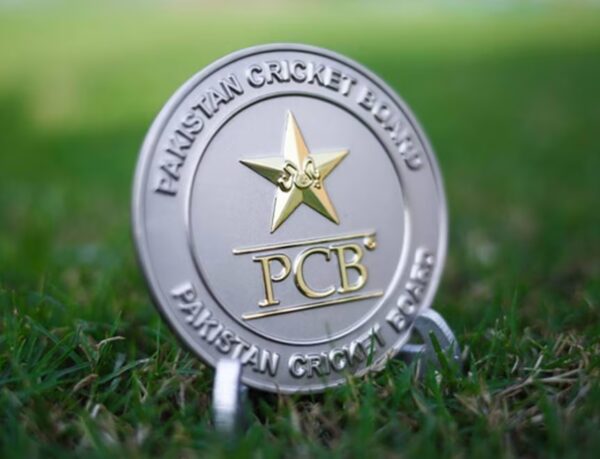
According to reports, the Pakistan government has already made its position clear through an official public platform, stating that while the national team will travel to Sri Lanka, it will not take the field against India. PCB sources have indicated that since the call came directly from the government and was publicly conveyed, there is no need for the board to send a separate written explanation to the ICC.
The PCB has also pointed to past precedent to justify its stance. Sources have suggested that the BCCI did not submit any official government letter to the ICC when India declined to travel to Pakistan for the 2025 Champions Trophy. Pakistan was the designated host of that tournament but it was eventually held in a hybrid format, with India playing all its matches in Dubai after the BCCI cited a lack of government clearance.
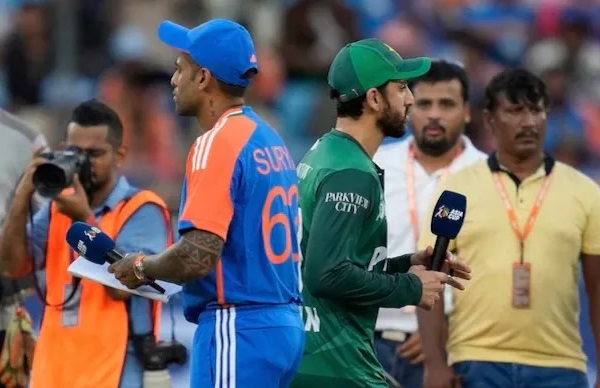
From the PCB’s point of view, the situation is similar. They argue that if India was not required to provide written government approval or refusal earlier, Pakistan should not be expected to do so now. This reasoning has reportedly been shared informally, even as the ICC continues to wait for an official response before deciding its next steps.
Meanwhile, preparations on the Indian side are going on as per the schedule. The Indian team is expected to travel to Colombo, with captain Suryakumar Yadav likely to attend mandatory media duties on the eve of the match. For India to be awarded a walkover, the captain must be present at the ground during toss time. If neither team turns up, the rules state that both the sides would receive one point each.

As the clock ticks down, the situation highlights how political decisions continue to complicate cricket’s biggest rivalry, leaving administrators and fans alike waiting for clarity.
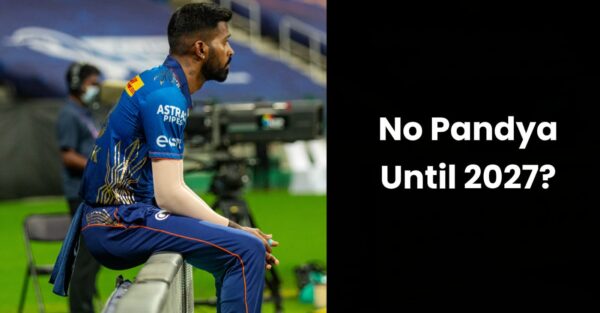 Hardik Pandya’s Comeback Delayed Again? Star All-Rounder Could Remain Out Until IPL 2027
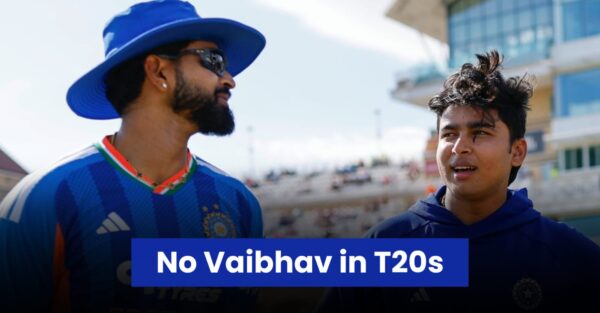 Shreyas Iyer Drops Big Hint On Vaibhav Sooryavanshi’s Playing XI Chances Ahead Of NZ T20I Series
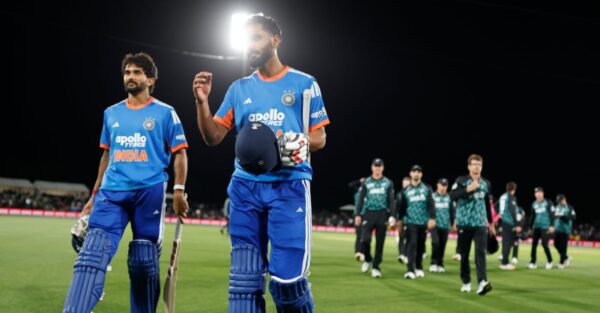 Big Change Coming To IND Vs NZ Series, New ‘Sonic’ Technology Set To Transform DRS Decisions
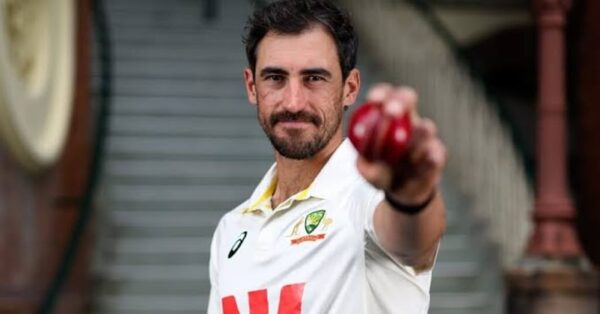 Mitchell Starc Creates History, Breaks Glenn McGrath’s Record To Reach….