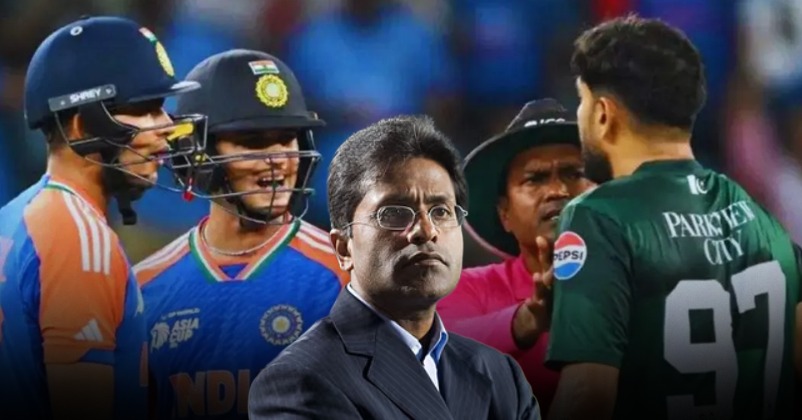
Cricket fans around the world were gearing up for one of the most anticipated rivalries in sport but instead of excitement, uncertainty has taken centre stage. Just days before the ICC Men’s T20 World Cup 2026 begins, political tensions between India and Pakistan have spilled into the tournament, threatening to overshadow what should have been a celebration of the game.
The situation escalated after the Pakistan Cricket Board announced it would not play its group-stage match against India on February 15 in Colombo. The decision has drawn widespread attention because India versus Pakistan is often considered the biggest attraction in world cricket, pulling in massive audiences and defining tournament narratives. While Pakistan is still expected to compete in the rest of the World Cup, skipping only this fixture has raised eyebrows across the cricketing community.
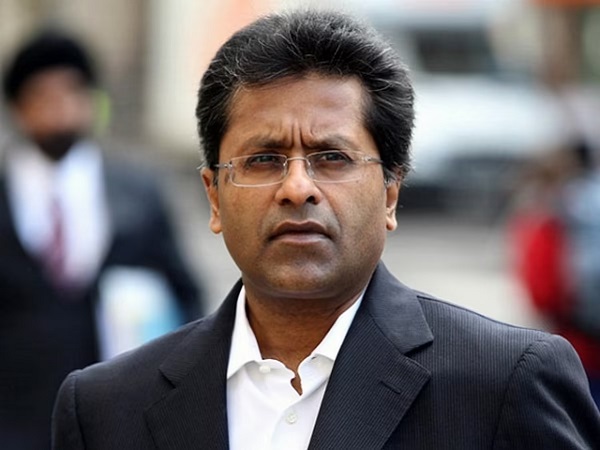
Former IPL chairman Lalit Modi was among the strongest voices reacting to the move. He expressed disappointment that political considerations were influencing a sporting contest, stressing that cricket has always been about competition decided on the field. In his view, when decisions are made away from the pitch, the spirit of the game suffers, and fans are left feeling short-changed. He suggested that history tends to remember those who choose to compete rather than step away.
Reports indicate that Pakistan’s withdrawal from the match followed directions at the government level, placing the PCB in a difficult position. Still, the selective nature of the boycott has sparked debate, especially given the long-standing rivalry and emotional connection fans from both the countries have with these encounters.
The International Cricket Council is now understood to be in talks with various stakeholders to figure out the next action. Tournament rules allow for a forfeited match to hand points to the opposing team, a development that could directly influence group standings and qualification scenarios. Beyond the immediate sporting impact, officials are also believed to be examining the commercial fallout and governance challenges that could arise.
Lalit Modi has warned that the consequences may stretch far beyond a single match. He pointed out that broadcasters and sponsors may become more cautious in the future if uncertainty around participation grows, potentially affecting the value of international cricket events. In contrast, he noted that franchise leagues, especially the IPL, stand to benefit even more, having already established themselves as the most reliable and attractive product for players, fans and broadcasters worldwide.
As the World Cup approaches, the absence of cricket’s biggest rivalry looms large, leaving fans to wonder how politics might continue to shape the future of the sport they love.
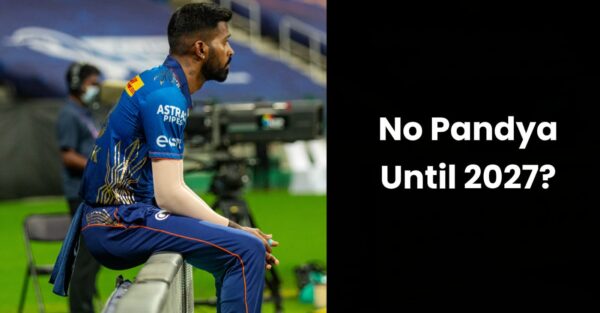 Hardik Pandya’s Comeback Delayed Again? Star All-Rounder Could Remain Out Until IPL 2027
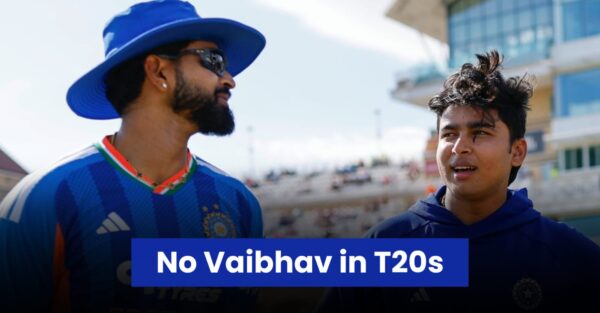 Shreyas Iyer Drops Big Hint On Vaibhav Sooryavanshi’s Playing XI Chances Ahead Of NZ T20I Series
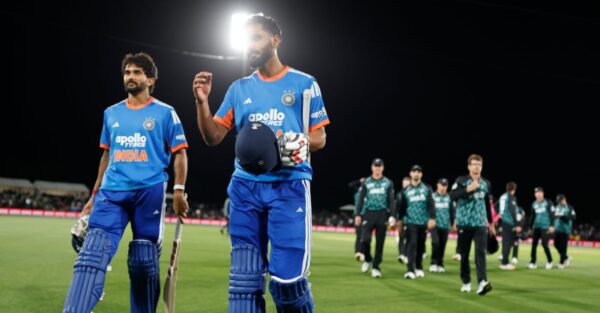 Big Change Coming To IND Vs NZ Series, New ‘Sonic’ Technology Set To Transform DRS Decisions
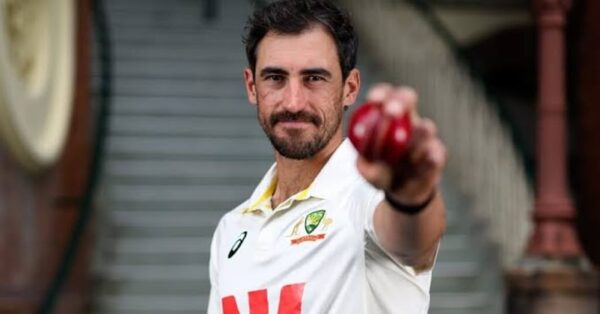 Mitchell Starc Creates History, Breaks Glenn McGrath’s Record To Reach….