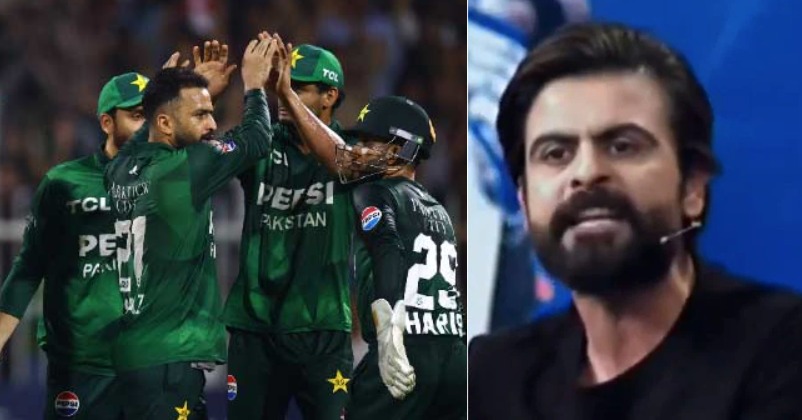
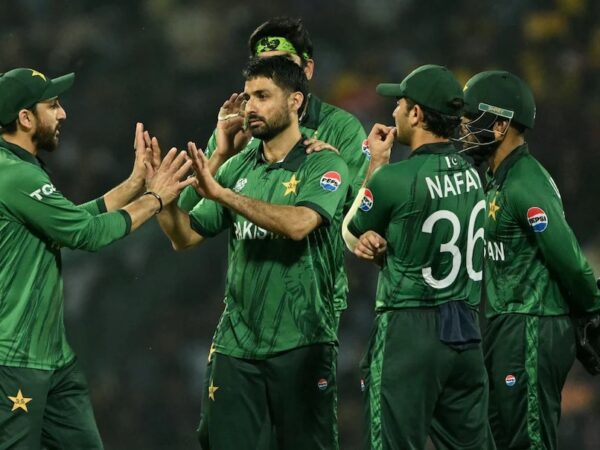
Pakistan’s disappointing campaign at the ICC Men’s T20 World Cup 2026 has sparked fresh controversy, not just due to the losses but because of what followed. The Pakistan Cricket Board (PCB) decided to fine each player PKR 50 lakh for the team’s poor performance. But former Pakistan batter Ahmed Shehzad believes the move is unfair and misguided.
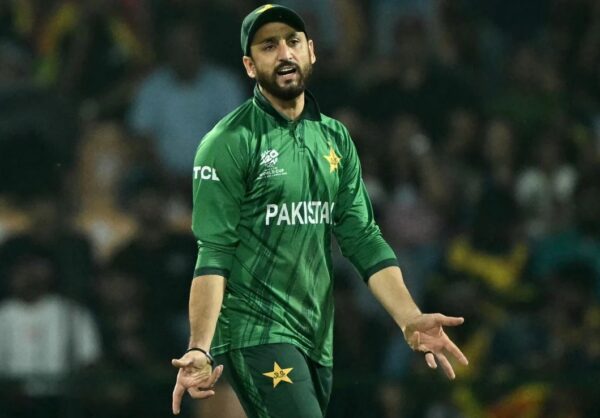
Pakistan, led by Salman Ali Agha, failed to qualify for the semifinals of the ongoing ICC Men’s T20 World Cup. The Men in Green suffered a crushing 61-run defeat to India in a Group A match at R. Premadasa Stadium on February 15. Later, their campaign ended with a narrow two-wicket loss to England in the Super 8s.
A few days after the exit, the PCB announced a fine of PKR 50 lakh for each player. The decision did not sit well with Ahmed Shehzad who openly criticised the board during a discussion on a show.
Ahmed Shehzad argued that penalising every player without distinction makes little sense. In his view, some players performed well and should not be punished along with the rest. He pointed out that while the PCB pays players massive salaries, imposing such a fine seems more symbolic than practical.


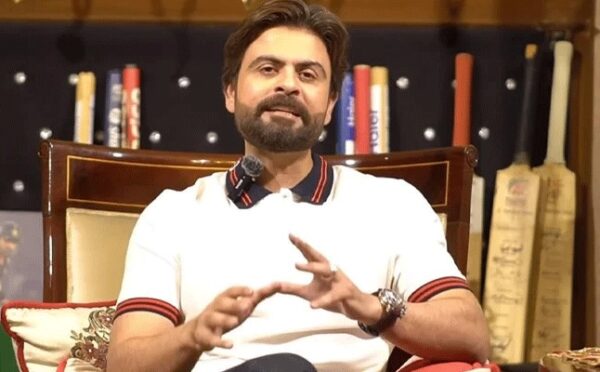
He specifically mentioned players like Usman Tariq, Abrar Ahmed and Sahibzada Farhan, questioning what fault they had in the team’s overall failure. According to Ahmed Shehzad, it is unfair to expect someone who has not even earned that much to suddenly pay such a heavy fine.
Instead of fines, Ahmed Shehzad believes accountability should start from the top. He questioned whether anyone in management would step down after repeated poor performances. He named chief selector Aleem Dar, Asad Shafique, Hassan Cheema, Wahab Riaz, head coach Mike Hesson and captain Salman Ali Agha, asking who among them would take responsibility.
He stressed that after multiple disappointing tournaments, leadership and management should also be answerable, not just players. According to him, the current setup has already been given enough opportunities in two to three events, yet no visible change has occurred.
Ahmed Shehzad also raised concerns about the financial structure of Pakistan cricket. He criticised the PCB for paying players up to PKR 46 lakh per month under central contracts. In his opinion, such high salaries are hard to justify when performances do not match expectations.
He went further to suggest that players’ maximum monthly salaries should be reduced to PKR 10 lakh, based on consistent performance over three to four years. He also questioned the large sums paid in the Pakistan Super League (PSL) auction model.
Referring to young batter Saim Ayub, Ahmed Shehzad pointed out that despite limited T20 success, he is reportedly earning around 13 crores in the PSL system. For Ahmed Shehzad, this highlights a deeper issue, excessive spending without proportional results.

He argued that Pakistan is already facing economic challenges and in such circumstances, the cricket board should rethink how money is distributed. Rather than paying crores in leagues and high monthly contracts, he believes the funds should be redirected toward strengthening domestic cricket.
Ahmed Shehzad, who was part of Pakistan’s squads that won the ICC Champions Trophy and the T20 World Cup in 2019, feels strongly about long-term planning. In his view, cutting salaries and limiting PSL payouts would free up significant resources.
He suggested investing that money in grassroots development — under-13, under-15, and under-16 cricket, as well as school, university, club, first-class, and Grade 2 levels. According to him, this is where real change begins. Without a strong domestic structure, international success will remain inconsistent.
Ahmed Shehzad also made it clear that a PKR 50 lakh fine will not truly impact players who are already earning similar amounts monthly. For him, the move looks more like a short-term reaction than a meaningful reform.
His message to the PCB chairman was simple: focus on restructuring contracts, bring salaries in line with performance, review the PSL auction model and prioritise national development over quick fixes.
As Pakistan cricket reflects on another early World Cup exit, Ahmed Shehzad’s blunt remarks have added fuel to an already intense debate. Should the board punish players or rebuild the entire system from the ground up?
 Gautam Gambhir Slams Guwahati Pitch After India-WI Run-Fest As India Wins After Record Chase
 Shubman Gill’s Body Gave Up But His Bat Didn’t, India Chases 406 In 43 Overs & Creates History
 Rohit Sharma Did Unique 100 Celebration But Did Not Reveal The Reason Behind It
 Mohammad Rizwan Alleges Misleading Claims By Mohsin Naqvi-Linked Agency Over His Phone