
As Test cricket faces growing competition from shorter formats, former Indian cricketer Ravichandran Ashwin has raised concerns about the future of the traditional five-day game. While the BCCI has taken steps to make red-ball cricket more rewarding, Ashwin believes the decline in interest is a worldwide issue rather than a problem limited to India.

The challenge has become more evident following the retirement of Indian cricket legends Virat Kohli and Rohit Sharma from the longest format. Their departure has added to concerns that fan interest in Test cricket could continue to decline.
To protect the format, the BCCI has restructured the salary system for first-class cricketers, aiming to make red-ball cricket more attractive and financially beneficial. Speaking at an event, Ashwin said that first-class cricket must be appealing enough for players to choose it seriously. He acknowledged that the BCCI has made an effort through its revised payment structure but stressed that Test cricket’s struggles extend far beyond India.
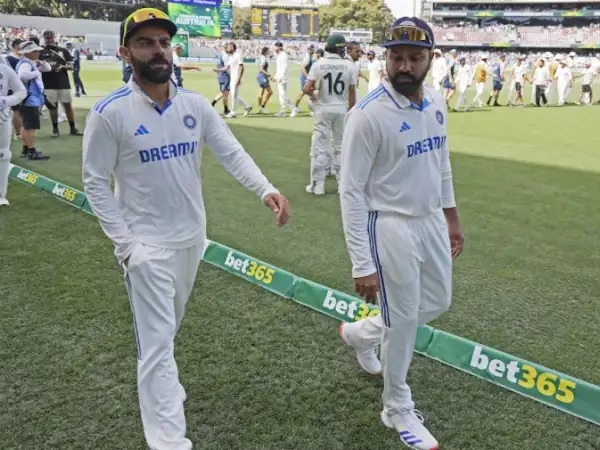
R Ashwin also questioned whether players are receiving enough incentives to commit to the red-ball game. He noted that modern cricketers can earn a good living by playing in shorter-format tournaments for only a few months in a year, making the longer and more demanding format a tougher choice.
The rapid growth of T20 leagues around the world has significantly changed cricket’s financial and development model. Players, particularly from financially weaker cricket boards such as the West Indies, are increasingly attracted by lucrative opportunities in white-ball cricket. This trend has often come at the expense of Test cricket.



As more players prioritise shorter formats, the availability of top cricketers for Test matches has declined, affecting the overall quality of the format and making it harder for cricket boards to maintain its long-term relevance. Statistics highlight this shift, with only one in three Test matches between 2022 and 2025 lasting the full five days, while draws accounted for barely 10% of games. At the same time, bowler-friendly pitches have contributed to quicker batting collapses and lower scoring rates across formats.
What is your take in this matter?
 Hardik Pandya’s Comeback Delayed Again? Star All-Rounder Could Remain Out Until IPL 2027
 Shreyas Iyer Drops Big Hint On Vaibhav Sooryavanshi’s Playing XI Chances Ahead Of NZ T20I Series
 Big Change Coming To IND Vs NZ Series, New ‘Sonic’ Technology Set To Transform DRS Decisions
 Mitchell Starc Creates History, Breaks Glenn McGrath’s Record To Reach….