

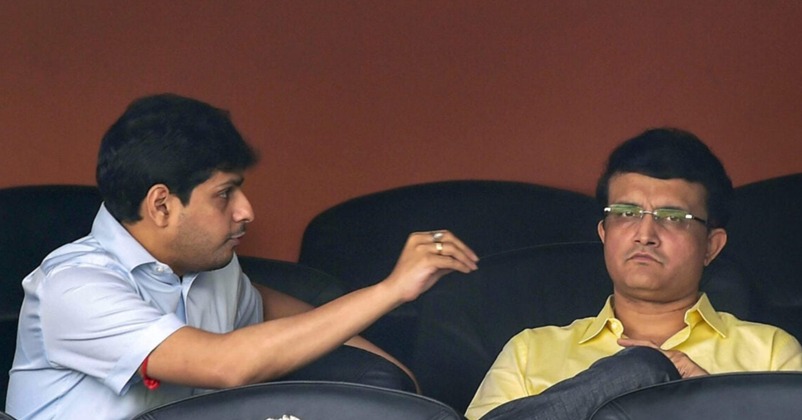
A major controversy has broken out in Bengal cricket ahead of the Cricket Association of Bengal’s (CAB) annual general meeting scheduled for September. The latest flashpoint comes after former CAB president Avishek Dalmiya raised concerns about alleged corruption, lack of transparency and governance issues within the association. However, the current administration, led by Sourav Ganguly, has strongly denied all accusations and defended its functioning.

The dispute began when Avishek Dalmiya wrote to West Bengal Sports Minister Dr. Indranil Khan and approached the state’s Sports Integrity and Anti-Corruption Helpline, seeking an investigation into alleged irregularities in Bengal cricket. His communication called for stronger mechanisms to address complaints related to corruption, favouritism, coercion, eligibility fraud and financial misconduct.
In response, CAB issued a detailed three-page letter signed by Sourav Ganguly, secretary Bablu Kolay and other office-bearers. The association questioned why Avishek Dalmiya chose to take the matter into the public domain instead of using the organisation’s established internal systems for filing complaints.


A key part of CAB’s defense focused on its Ombudsman and Ethics Officer framework, which was created under the Supreme Court-mandated Lodha reforms. The association pointed out that the position is currently held by former Calcutta High Court Chief Justice Jyotirmay Bhattacharya, who independently handles complaints supported by evidence.
CAB argued that this mechanism ensures fairness, transparency and impartiality, and that office-bearers have no influence over the process. The association also noted that Avishek Dalmiya was fully familiar with the system, having previously served as both secretary and president of CAB until 2022.
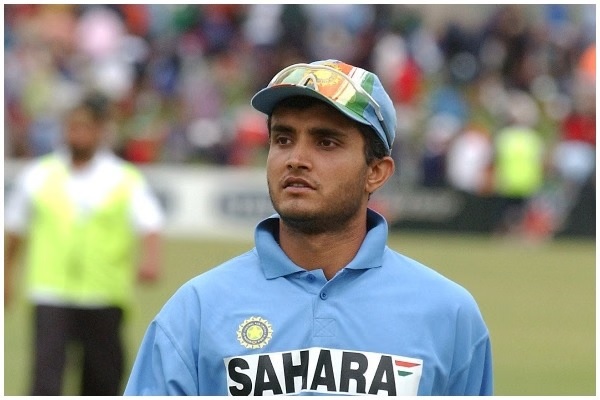
The letter further highlighted Sourav Ganguly’s administrative record, noting that he has served as India’s captain, CAB president, BCCI president and chairman of the ICC Cricket Committee. According to CAB, despite holding several high-profile positions, Ganguly has never faced allegations questioning his integrity.
Rejecting the broader accusations, CAB stated that claims of corruption, selection irregularities and systemic failures do not accurately represent how the association functions. The organisation emphasised that Bengal cricket has been managed by several respected administrators over the past three decades, including B.N. Dutt, Jagmohan Dalmiya, Sourav Ganguly and Avishek Dalmiya himself.
CAB suggested that portraying one administration as flawless while questioning all others was unfair and unsupported. The association also expressed surprise that a former office-bearer had chosen to issue a public letter instead of following institutional procedures.
One of the strongest points made in CAB’s response was its request for the Sports Ministry to examine why the concerns were raised publicly when internal mechanisms already existed. The association indicated that the timing of the allegations, coming just months before the AGM, deserved closer scrutiny.
The dispute unfolds against a backdrop of political and administrative maneuvering within Bengal cricket. Avishek Dalmiya had been expected to challenge the Ganguly camp during the previous elections but eventually stepped aside, allowing Snehasish Ganguly to be elected unopposed after a reconciliation between rival groups.
Avishek Dalmiya’s concerns reportedly followed a complaint involving CAB committee member Ambarish Mitra, who has denied any wrongdoing. Without naming him directly, Avishek Dalmiya referred to allegations that money had been collected from cricketers and their representatives in exchange for opportunities within teams and clubs. He urged authorities to ensure such complaints are examined fairly, transparently and without delay.
Despite the allegations, CAB has maintained that its current framework is fully capable of addressing any legitimate concerns. Reaffirming its commitment to transparency, accountability and the development of cricket in West Bengal, the association said its primary goal remains protecting the dreams and aspirations of young cricketers through a strong, independent and legally mandated administrative system.
As Bengal cricket moves closer to its September AGM, the confrontation has added a new layer of intrigue to an already sensitive administrative landscape, with both sides standing firmly by their positions.