

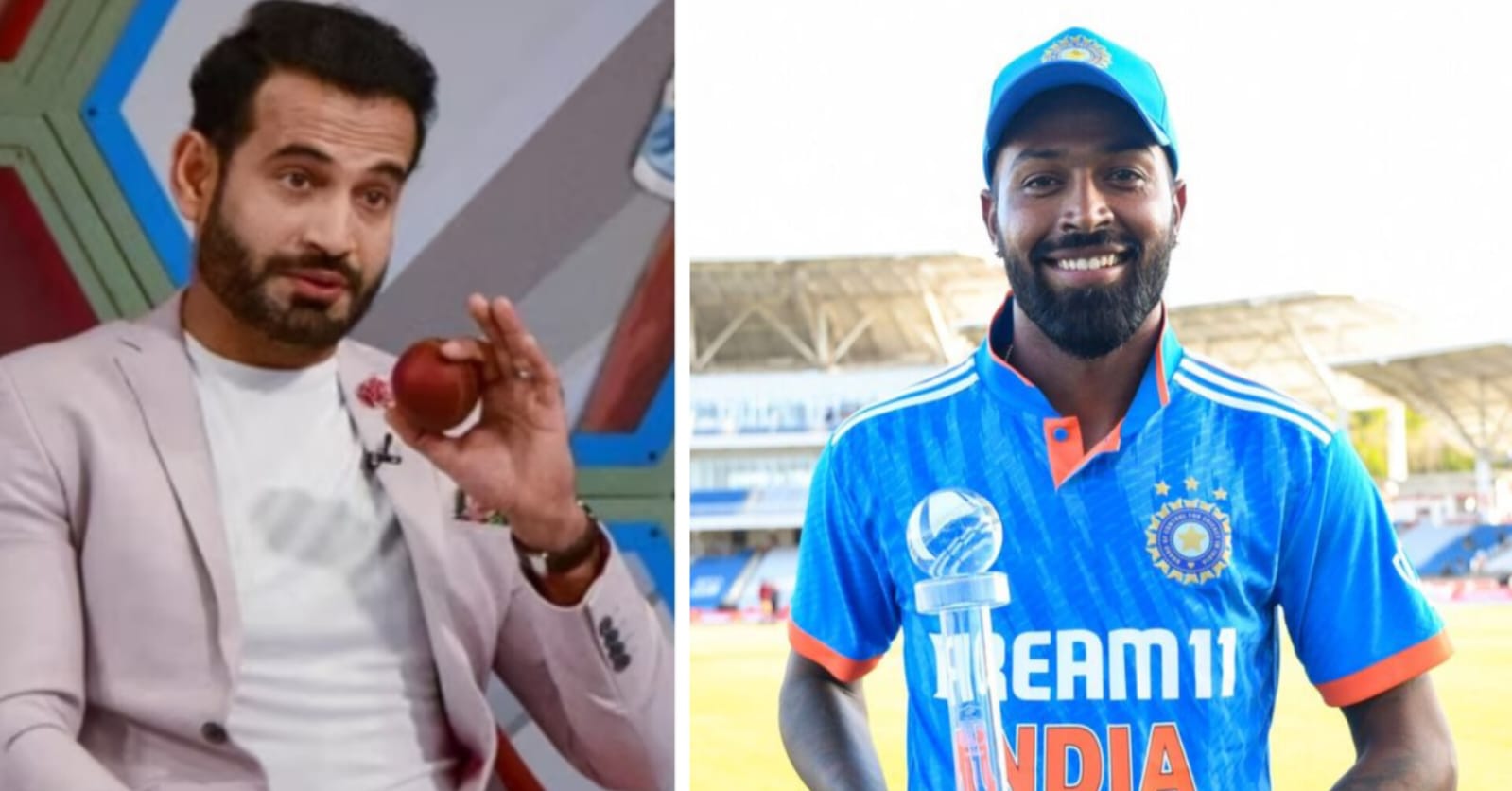
Hardik Pandya’s repeated fitness problems are becoming a growing concern for India, with former all-rounder Irfan Pathan warning that his latest injury setback could make it harder for the team management and selectors to rely on him.
Hardik Pandya is currently unavailable for India’s home series against the West Indies, which consists of three ODIs and five T20Is. He has been undergoing rehabilitation at the BCCI Centre of Excellence (CoE) and was expected to make his competitive return for India A against Australia A. However, a fresh shin injury ruled him out of that series as well, further delaying his comeback.
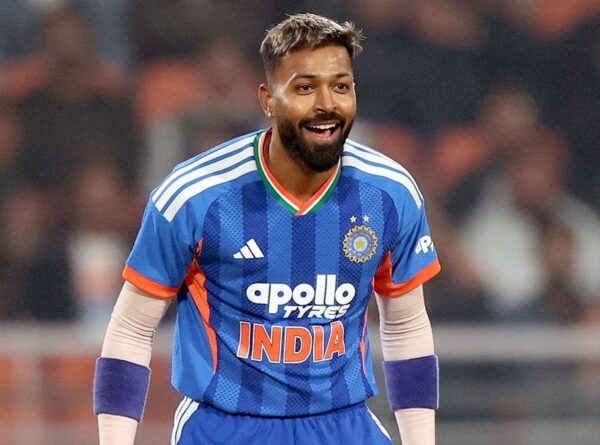
Hardik Pandya’s injury troubles have continued since the IPL 2026, when he suffered a back stress issue. He was then affected by a quadriceps injury, followed by several instances where he failed to recover in time despite being included in squads. Even before his latest shin injury, India head coach Gautam Gambhir had stated that Hardik Pandya was not fit enough to bowl 10 overs in an ODI.
Irfan Pathan said Hardik Pandya’s situation was particularly unfortunate because the injuries have continued even when he has not been playing competitive cricket. He explained that getting injured while playing can happen because of workload but suffering another setback during rehabilitation creates additional concerns for the selectors and management.
According to Irfan Pathan, Hardik Pandya’s latest absence from the India A series could affect how confidently the team management plans around him. The former India all-rounder also stressed that India needs to start developing more fast-bowling all-rounders who can provide cover whenever Hardik Pandya is unavailable.
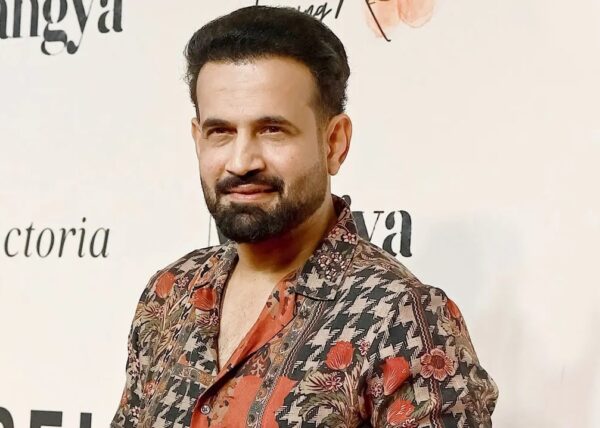
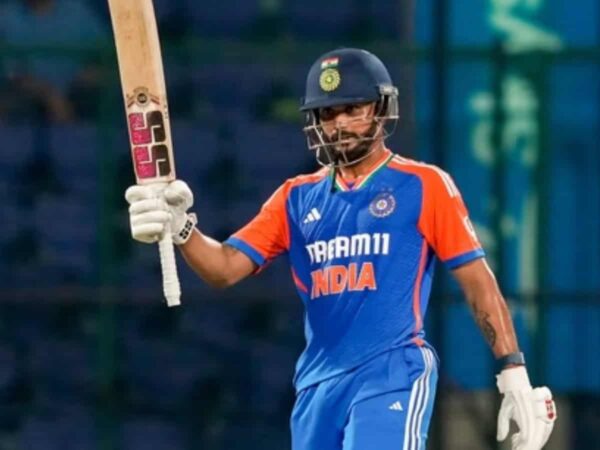
One player Irfan Pathan believes should receive an extended opportunity is Nitish Kumar Reddy. He praised Nitish Reddy’s progress, particularly his improvement as a bowler, increase in pace and commitment to his fitness and overall development. Nitish Reddy had also recently returned from an injury and contributed with the ball during India’s T20I series against Afghanistan. Irfan Pathan believes the Indian team should give players like Nitish Reddy enough opportunities to develop into dependable all-round options. Nitish Reddy was initially selected for India’s Asian Games 2026 squad but he was later replaced and subsequently added to the ODI squad for the West Indies series. In the first ODI, he bowled five overs and finished with figures of 1/45.
Hardik Pandya’s repeated injuries have also highlighted how difficult it has been for India to find a suitable replacement for him. Over roughly the last 10 years, India has struggled to produce another fast-bowling all-rounder capable of offering a similar combination of skills.
A player who can bowl 10 overs in an ODI while also contributing as a lower-order batter and finisher is extremely valuable. Such a role requires a physically strong player who can handle the demands of both batting and fast bowling while maintaining a high level of fitness. The development of fast-bowling all-rounders also requires proper training, nutrition, fitness programmes and injury management. While these areas have improved in India, developing players capable of handling such a demanding role can still take considerable time.


Hardik Pandya himself was a rare talent who managed to establish himself in this role. However, his career has also included several fitness challenges, with the physical demands of fast bowling being an important part of the discussion around his injuries.
For an ODI team, a genuine pace-bowling all-rounder can have a major impact on team balance. Hardik Pandya’s presence allows India greater flexibility with its bowling combination and gives the team the option of playing an attacking spinner such as Kuldeep Yadav, potentially even alongside another spinner.
Without Hardik Pandya, India faces a difficult choice. Adding more batting depth can come at the expense of a bowling option, while strengthening the bowling attack can leave the lower order less capable with the bat. That is why Hardik Pandya’s fitness remains such an important issue for India and why Irfan Pathan believes the team must simultaneously work on developing reliable alternatives.