A business trip can look simple from the outside: book a flight, reserve a hotel, reach the meeting, and come back. Behind that short journey, however, companies often manage several moving parts at once. This is where corporate travel becomes a structured business function rather than a collection of individual bookings. It covers how employees travel, what they can spend, which suppliers they use, and how the company keeps track of everything.
The scale of business travel also explains why this needs careful management. According to the Global Business Travel Association’s 2026 forecast, global business travel spending is expected to reach $1.71 trillion in 2026, a 7.2% increase from the previous year. The number of business trips is projected to rise by about 1.3% to 1.84 billion. The gap between spending growth and trip growth shows that companies are dealing with rising travel costs even when the number of journeys increases more slowly.
For companies, the challenge is therefore not simply arranging travel. It is about creating a process that works for employees while keeping costs, approvals, expenses, and travel policies under control. When these pieces work together, business travel becomes easier to manage and much less dependent on last-minute coordination.
What Is Corporate Travel Management?
Corporate travel management is the process of planning, booking, monitoring, and controlling employee travel for business purposes. It can cover flights, trains, hotels, ground transportation, travel policies, expenses, approvals, and support when plans change.
For a small company, employees may arrange their own trips and submit expenses afterward. As a business grows, that approach can become difficult to control. Different employees may book different hotels, pay different prices for similar journeys, or miss company travel rules. A structured process creates consistency without making every trip complicated.
How Does Corporate Travel Management Work?
The process usually begins with a company travel policy. This policy sets practical boundaries around approved booking channels, hotel limits, preferred travel classes, advance booking expectations, expense limits, and approval requirements. Employees then have a clearer idea of what they can book without repeatedly asking the finance or administration team.
Booking is the next stage. Depending on the organisation, employees may use a corporate booking platform, work with a travel management company, or have an internal team arrange travel. The goal is not simply to find a ticket or room. It is to make suitable choices while keeping the booking aligned with company rules and budgets.
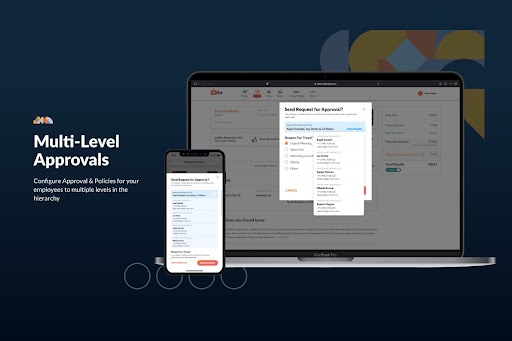
Approval and payment also form an important part of the process. Some journeys may require manager approval before booking, especially when costs are high or travel falls outside normal policy. Corporate payment methods can make it easier for finance teams to connect transactions with employees, projects, departments, and expense records.
Once the employee is travelling, management does not necessarily stop. Flights can be delayed, meetings can move, and accommodation may need to change at short notice. A managed travel process gives employees a clearer route for getting help, while the company has better visibility into what is happening across its travel programme.
Why Companies Use Corporate Travel Management
The biggest reason companies use structured travel management is control. When dozens or hundreds of employees travel regularly, even small differences in booking habits can add up. A centralised approach can help companies understand where money is being spent and identify areas where travel policies or supplier agreements may need adjustment.
Cost visibility is another major benefit. A company may spend heavily on flights but have limited visibility into how much individual departments are spending. Bringing booking and expense information into a more organised process can make patterns easier to see. It also gives finance teams better information when planning future travel budgets.
There is also a practical employee benefit. Travellers do not always have time to compare every option themselves, especially when a trip involves several cities, changing meeting schedules, or last-minute adjustments. The best corporate travel management setup makes the process easier for employees while still giving the company appropriate oversight.
How myBiz by MakeMyTrip Can Support Business Travel
For businesses handling regular employee travel, myBiz by MakeMyTrip can provide a more organised way to manage bookings and business travel requirements. Instead of treating every journey as an isolated transaction, companies can bring travel activity into a structured business process that supports visibility and control.
Technology has made this approach more practical. Online booking, digital payments, traveller information, approval workflows, and reporting can reduce the amount of manual coordination involved. The exact setup can vary by company, but the underlying idea remains the same: make business travel easier to arrange while keeping spending and policy requirements visible.


The Role of Data in Corporate Travel
Travel data becomes increasingly useful as a company grows. A business can look at booking patterns, average trip costs, frequently used routes, hotel spending, cancellation activity, and policy exceptions. These details can reveal where money is being lost or where employees are facing unnecessary friction.
Data can also support better planning. For example, if a company regularly sends teams to the same city, it may review accommodation choices or negotiate arrangements with preferred suppliers. If certain routes consistently involve expensive last-minute bookings, the company may adjust its internal approval process or encourage earlier planning.
Managing Changes and Unexpected Problems
Business travel rarely follows a perfect schedule. A delayed flight can cause a missed connection, a cancelled meeting can make a hotel booking unnecessary, and an urgent client requirement can create a trip that was not planned at all. Travel management needs to account for these situations rather than focusing only on the original booking.
This is where access to support can matter. Employees need to know where to go when something changes, particularly outside normal office hours. A clear process can reduce confusion and help the traveller focus on the business reason for the trip instead of spending too much time solving booking problems.
Corporate Travel Is More Than Booking Tickets
A mature travel programme connects travel with finance, employee experience, company policy, and business planning. It helps organisations answer basic but important questions: How much are we spending? Where are employees travelling? Are bookings following policy? Which areas create repeated problems? And can the company make the experience simpler without losing financial control?
For growing businesses, this becomes particularly relevant as travel volume increases. What works when five employees travel occasionally may not work when several teams are travelling every week. A structured system allows processes to grow with the organisation rather than forcing employees and finance teams to manage every journey manually.
Looking at the Bigger Picture
Corporate travel management is essentially about bringing order to a part of business that can become complicated very quickly. It combines booking, policy, payments, support, data, and employee needs into one connected process. With business travel spending forecast to reach $1.71 trillion in 2026, companies have more reason to understand how their travel programmes work and where better organisation can create value without creating unnecessary work for employees or finance.