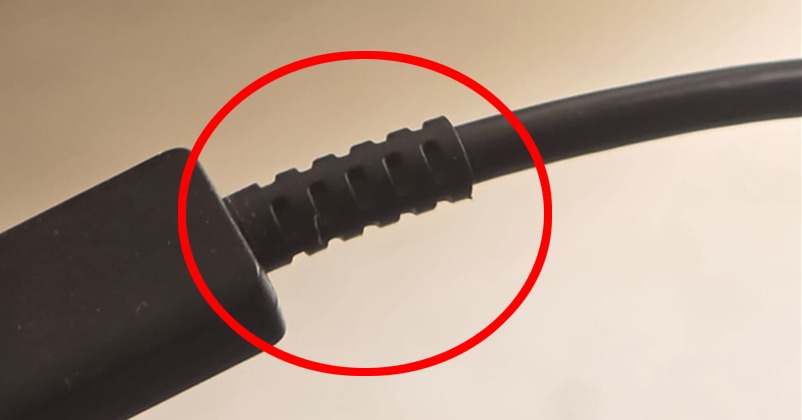
Have you ever noticed the small ridges near the ends of a charging cable? While they may seem like an ordinary part of its design, they serve an important purpose. These ridges help protect the cable from damage and increase its lifespan.
Known as strain relief, this feature acts as a protective support near the connector. It prevents the cable from wearing out or breaking due to repeated bending. Without it, cables are more likely to develop cracks or snap near the connector, especially with regular use.
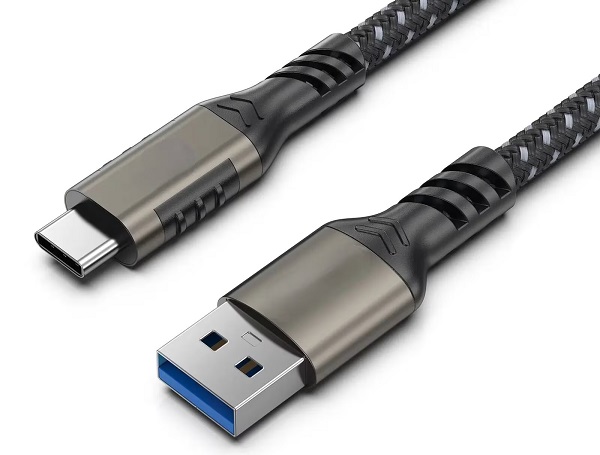
The section where the cable joins the connector is one of its weakest points. This is because repeated bending and pulling put extra pressure on this area. Whenever you plug in or unplug your charger, or use your phone while it is charging, the cable may bend near the connector. Over time, this movement can weaken the internal wires and damage the outer covering.
The ridged design helps prevent this by allowing the cable to bend gradually instead of folding sharply at one point. It spreads the pressure across a wider section, reducing wear and tear. This added flexibility lowers the risk of early damage and helps the charging cable last longer.
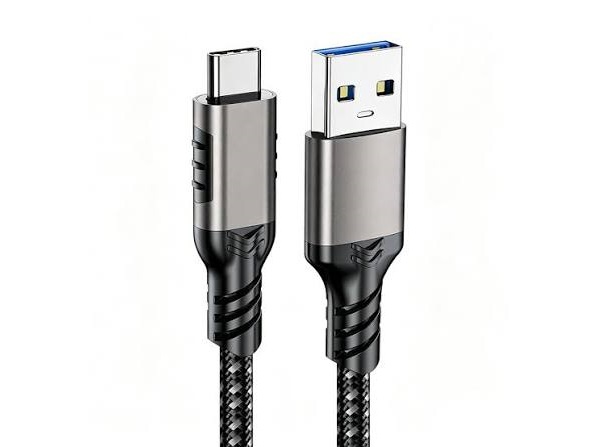
Charging cables without strain relief are more likely to get damaged, particularly near the connector. Without extra support, repeated bending can eventually break the wires inside. This is one reason why some low-cost charging cables wear out quickly. Manufacturers may skip this protective feature to reduce production expenses but this can affect the cable’s durability and lead to more frequent replacements. Therefore, when buying a new charging cable, always check the section just behind the connector. Choosing a cable with flexible and reinforced strain relief can help prevent early damage and improve its lifespan.
If your existing cable does not have this protective feature, you can still take steps to make it last longer. One simple option is a cable protector, also known as a spiral cord saver or cable saver. These accessories are usually made of silicone or hard plastic and have a small spiral-shaped design. They wrap around the cable near the connector, providing extra support and reducing excessive bending. Cable protectors are easily available in the market for approximately Rs 30 to Rs 50.
Another budget-friendly option is a heat-shrink tube. This protective sleeve is placed around the weak section of the cable and gently heated with a suitable heat source. It then shrinks to fit tightly around the wire, adding reinforcement and helping reduce bending and wear near the connector.
A small feature that often goes unnoticed can make a big difference to the life of your everyday charging cable. Checking for strain relief before buying a new charger or using an affordable cable protector for an existing one can help prevent unnecessary damage and reduce frequent replacements.