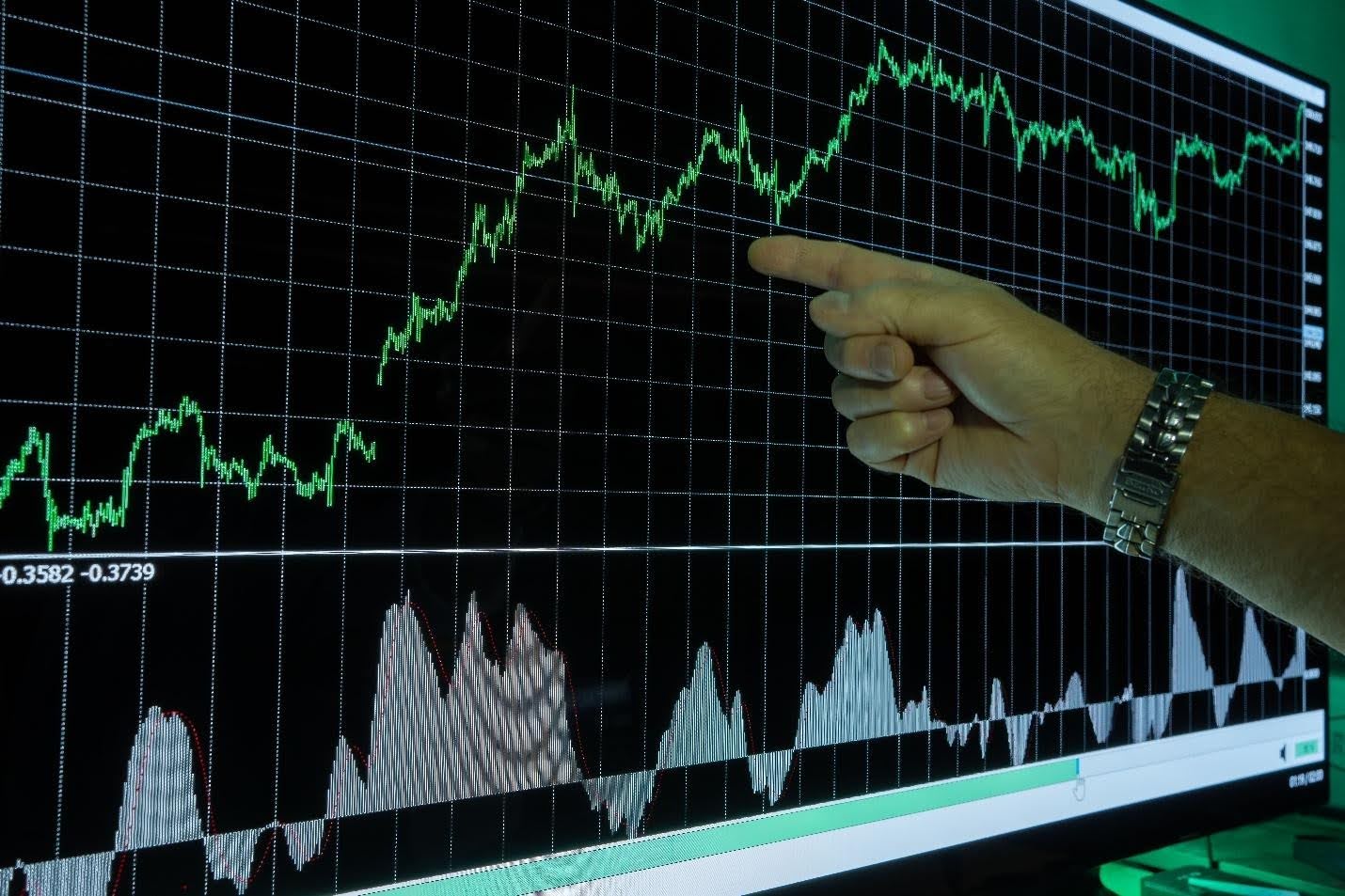
Not all traders lose money due to ignorance, but due to the excessive amount of panic they experience, or due to them becoming too greedy when they win a few trades. Occasionally, they break their own rules when they see a price suddenly shoot up or a candle drop.
To prevent that, you need to have a trading plan. So, what is a trading plan? It’s some decisions you make when you are calm. Though not the quickest of choices, they can not promise profits. These can only support you when the market may go haywire.
Let’s take a look at what a trading plan is, what it should contain and why it is important in situations of market volatility.
What Is a Trading Plan?
A trading plan is a set of rules that are written down and dictate your method of trading. It tells you what you are trading, when to enter and exit and how much risk to take. It also includes how you look back at your results.
Consider it a recipe! You don’t improvise every step while the pan is smoking. You follow what you have planned in advance.
This is a good thing for newbies as well. Create a trading plan before starting your first trade if you intend to start trading on MT4. It’s much simpler to develop good habits at the beginning rather than later.
These are the components that most plans will contain:
- Trading objectives: What you’re looking to accomplish, and when.
- Market selection: The instrument/currency pairs that you are going to trade.
- Entry and exit rules: What needs to be true before you enter/exit a position.
- Risk management: Maximum amount of risk per trade and where the stop-loss level is placed.
- Trading schedule: When you watch the markets and when you walk away.
- Performance review: What and how you review the previous trades you’ve made to see what you need to get better at.
None of these is effective on its own. However, they provide you with a routine that you can follow. They also have the advantage of making mistakes more easily visible, as you can compare every trade with your own rules.
Why Volatile Markets Make a Plan More Important
The volatility of a price is its overall movement during a specified time interval. If it’s high, there are big and fast price fluctuations. This may create opportunities, but with that comes the risk.
Imagine receiving a surprising announcement about the economy. A currency pair lurches in a matter of minutes. One trader steps in as they don’t want to miss the opportunity. Another shuts off a profitable trade before it is done, for fear of the swing.
The two are reacting instinctively. There is no procedure to be followed. But a trading plan helps in three ways.
It Helps Control Emotional Decisions
Fear and greed are really powerful. They get even louder when prices go up and down rapidly. If the price has dropped off sharply, you’d like to sell it. When the stock comes up, and up and up, you’re tempted to purchase it before you do any research.
A plan provides you with guidelines for action before taking steps. If a trade does not meet them, then you pass it by and skip it. It was already decided.
You’ll still feel the emotions. A plan simply prevents them from taking control of the show.
It Encourages Better Risk Management
Volatile markets often move further than you’d expect. A trade can be safe one day – and unsafe the next.
With a plan, you put your boundaries in place in advance. That could be the percentage of your account that you could be losing on a single trade. It also may be a “stop loss” and a limit on the total amount of risk exposure.
Here’s one quick example. Assume that you have a $1000 account and risk 1% on a trade. The amount of risk you have planned is $10. This does not mean that you won’t lose any more than $10. There may be slippage and price gaps in fast markets that could fill your order at a higher price.
However, it is beneficial to be aware of your capacity at first. You don’t have to click to see what’s on the line.
It Reduces Impulsive Trading
In a fast market, every swing looks like a chance. Making too many trades without proper analysis is easy. This increases your costs and puts your account in danger for nothing.
A plan has defined guidelines for when to enter. It may also restrict the number of trades that you can make during a session. Some traders have a rule to stop after they have lost a certain amount.
These rules prevent you from following all the moves. They help you wait for setups that align with your strategy.
Final Thoughts
Disciplined trading starts with a trading plan! It provides you with a tool to establish goals, define your risk and make consistent choices.


This is most important when the markets are volatile. In a fast market, people tend to make hasty trades and have something to fall back on to support them when they have a plan.
No plan removes uncertainty. However, it can assist you in reacting with a clear mind and without panicking. Good trading is not about making every trade and about taking every opportunity. It’s all about building a repeatable process, how you manage the risk, and how you learn from every trade. That begins with a properly constructed plan.
Trading has its risks and can result in losses. This article is meant for educational purposes only and is not meant to be financial advice.
Disclaimer: This is sponsored/advertorial content intended for informational and educational purposes only and does not constitute financial, investment, or trading advice. Trading in financial markets involves significant risks and potential losses. Readers should independently verify applicable regulatory permissions and legal requirements before engaging in any trading activity. The publisher does not endorse or encourage activities that violate applicable laws.
 Your Parents’ First Overseas Holiday: Why Senior Citizen Travel Coverage for Parents Abroad Is Important
 Cancelling a Train Ticket on redRail: Details to Check Before Submitting the Request
 Benefits and Limitations of Investing in ULIP Schemes
 Flying from BLR to DEL: Know All About India’s 2nd Busiest Air Route