

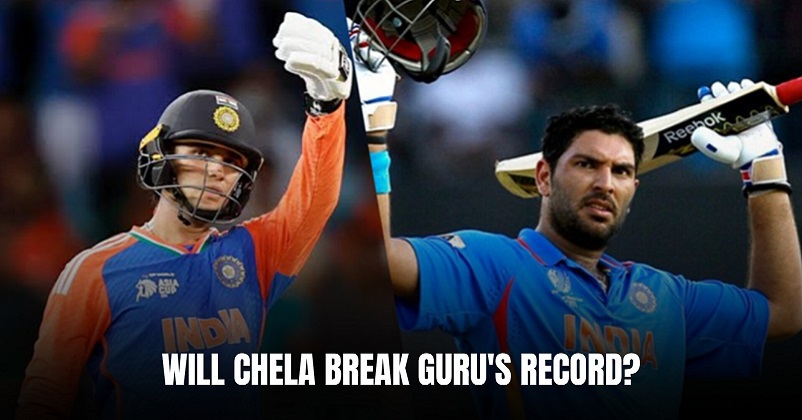
Sometimes, a T20 innings comes along what feels less like a chase and more like a statement. On Sunday at the Barsapara Cricket Stadium, Abhishek Sharma delivered exactly that, turning India’s third T20I against New Zealand into a one-sided spectacle with a breathtaking burst of power.
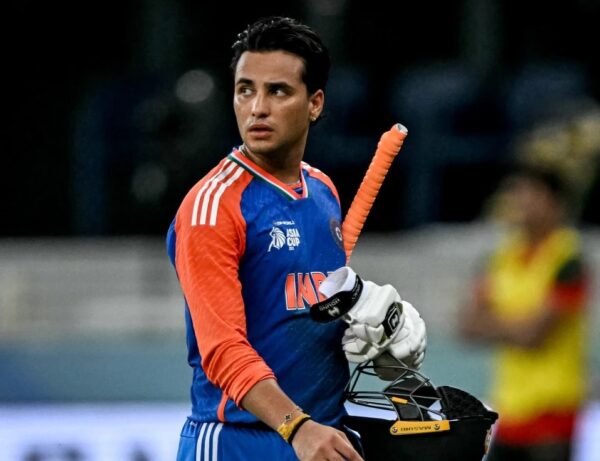
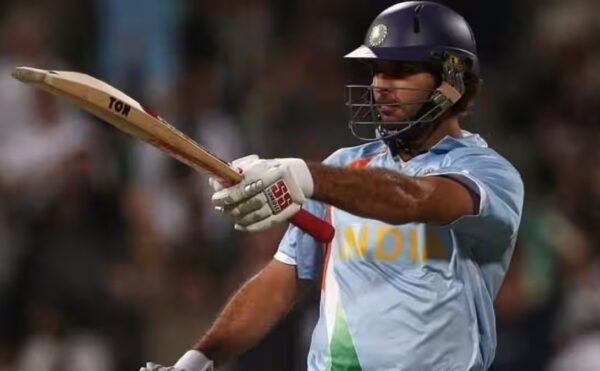
Chasing a modest target of 154, India barely allowed the contest to settle. Abhishek Sharma, opening the innings, reached his half-century in just 14 balls, registering the second fastest T20I fifty ever by an Indian. In doing so, he went past Hardik Pandya’s 16-ball effort, with only Yuvraj Singh’s iconic 12-ball fifty against England in 2007 standing ahead of him in the Indian T20I history.
Abhishek Sharma’s knock was a perfect mix of timing, intent and fearless shot-making. He struck five fours and four sixes in his fifty, punishing anything even slightly off target. India raced to 94 for 2 inside the powerplay, with Abhishek setting the tone early and never easing off. The 25-year-old remained unbeaten on 68 (7 fours & 5 sixes) from just 20 balls, calmly steering India to an eight-wicket win with remarkable ease.
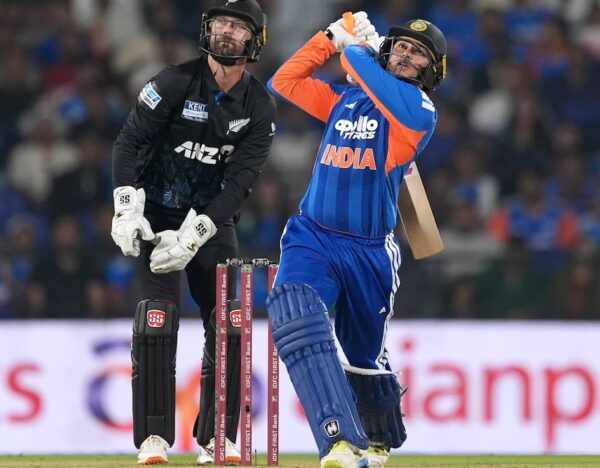
Speaking after the match, Abhishek Sharma suggested that his approach is shaped by what the team expects from him. He explained that while playing with such freedom is not easy every time, the mindset and positive environment in the dressing room make a huge difference.
When he was asked whether he will be able to break Yuvraj Singh’s record, he said that though Yuvi’s record is almost impossible to break but even the toughest records can be challenged in modern T20 cricket, especially when batters are full of confidence and form, as seen throughout the series.


On his aggressive start, including a six off the first ball, Abhishek Sharma clarified that it isn’t about blind attacking. Instead, he relies heavily on instinct, trying to read what the bowler might attempt early and reacting accordingly. That split-second decision-making, he feels, often dictates how his innings unfolds.
He also shed light on his footwork and use of the crease, explaining that much of it depends on field placements. By creating room and reading where fielders are positioned, he opens up scoring areas and plays with the gaps rather than against them.
Abhishek Sharma’s innings was more than just match-winning. It was a reminder of how dangerous India’s batting depth has become and a clear signal that he is emerging as a key figure in the T20 setup. With the World Cup approaching, performances like these only strengthen his case as one of India’s most exciting white-ball prospects.