

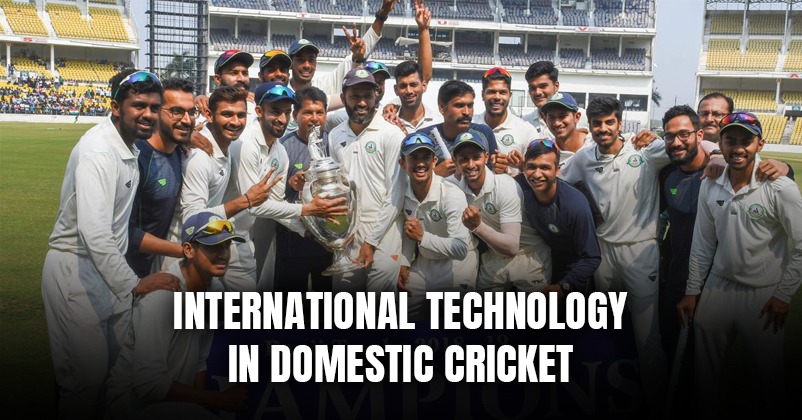
Indian cricket could be heading toward a quiet but significant transformation, one that may change how domestic matches are played and judged. The Board of Control for Cricket in India (BCCI) has recently held discussions on expanding the use of the Decision Review System, commonly known as DRS, across domestic tournaments. The issue was reportedly discussed at the board’s latest Apex Council meeting, signalling early movement on a long-debated idea.

At present, DRS is used only in select high-profile domestic matches, mainly due to logistical and financial limitations. While officials did not take a firm stand during the meeting, the discussion itself is being viewed as an important first step toward wider adoption. The system has become an essential part of modern cricket, helping umpires make more accurate decisions and reducing costly errors in pressure situations.
The biggest hurdle remains cost. The Hawk-Eye technology currently used for DRS is operated by a UK-based firm and can cost nearly Rs. 10 lakh per day. When multiplied across more than 1,500 domestic matches organised annually by the BCCI, many of which last more than one or two days, the total expense could run into hundreds of crores.


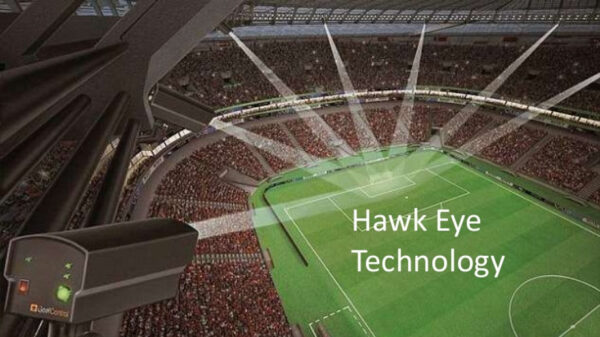
In a promising development, some students from the Indian Institute of Technology (IIT) are reportedly working on a more affordable alternative. This homegrown system could cost nearly one-fifth of the Hawk-Eye setup. However, any such innovation would require extensive testing and recalibration over several months before it could be trusted for official matches, given the high stakes involved.
Separately, the BCCI has also approved a six-month contract extension for Tech Mahindra, the company that manages its website and mobile applications. Although Tech Mahindra had sought a 12-month renewal, the board opted for a shorter extension. The original contract, which was valid until December 31, 2024, had already been extended once to December 31, 2025.
The BCCI stated that the extension was necessary to ensure uninterrupted digital operations while a consolidated Request for Proposal process nears completion. With the 2025–26 season already underway, the board chose continuity for now, even as differing opinions internally have led it to explore alternative interim options.