

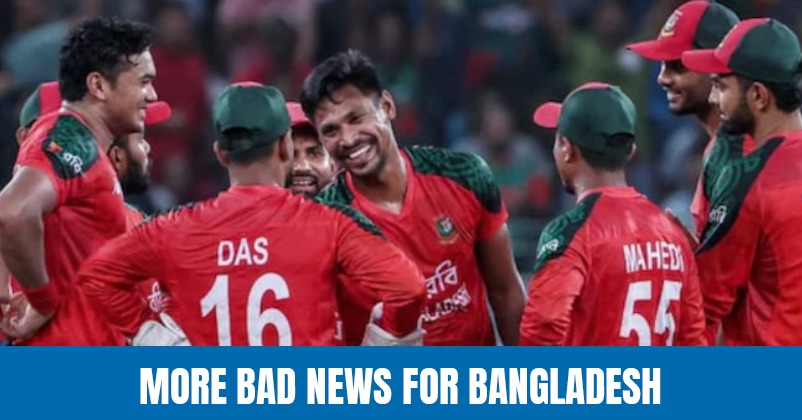
Confusion and anger have spread across Bangladesh’s sports media after the International Cricket Council (ICC) rejected accreditation requests from all Bangladeshi journalists for the upcoming T20 World Cup. According to a report by a publication, around 150 journalists had applied for official access, but not a single application was approved.
Accreditation is a crucial requirement for journalists covering international tournaments. It allows access to media boxes, press conferences, mixed zones and other essential areas inside stadiums. The ICC opens the application process well in advance, asking journalists to submit details of their organisation and assignment. While applications are reviewed globally under the same framework, the final decision rests entirely with the ICC.


The Bangladesh Cricket Board later confirmed the development. BCB media committee chairman Amzad Hossain acknowledged that roughly 130 to 150 journalists had applied this year and none received accreditation, a situation that has left the media community shocked.
The issue has grown more serious after reports that some Bangladeshi photojournalists initially received approval emails from the ICC, along with visa support letters, only to have their accreditations withdrawn days later. One such case involved Mir Farid, a photojournalist with a Bengali daily, who reportedly received confirmation on January 20 before being informed that his application had been rejected.
What has upset journalists further is Bangladesh’s long history of covering ICC events. Bangladeshi reporters have been present at global tournaments even before the national team played its first World Cup in 1999. During the 2023 ODI World Cup, Bangladeshi journalists were among the most visible in media boxes during their team’s matches.
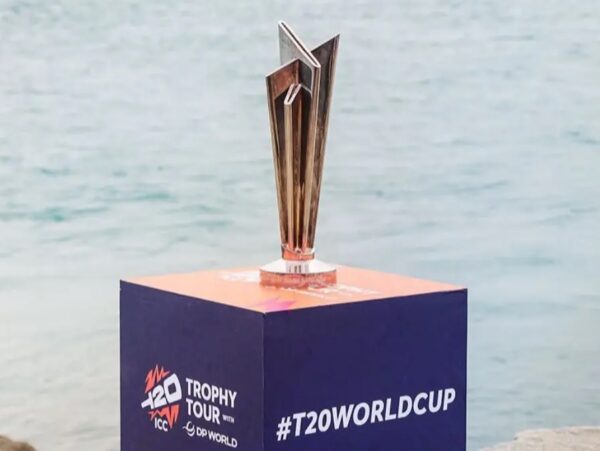
Bangladesh is not part of the upcoming T20 World Cup following a late omission and this has raised uncomfortable questions. Bangladesh Sports Journalists Association president Arifur Rahman Babu suggested that the decision appears linked to the team’s absence from the tournament. He described the move as unfair and unprofessional, saying it reflects poorly on the ICC’s handling of media relations and also said that it exposed the dark side of the ICC.
He also indicated that the association plans to consult other journalist bodies and consider formal steps, including a protest letter through the Ministry of Information and the BCB. He added that since Sri Lanka is a co-host, arrangements could have been made for Bangladeshi journalists over there.
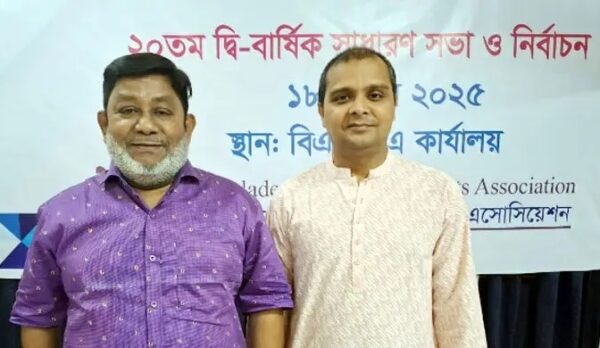
Arifur Rahman Babu confirmed that discussions are underway to decide the next course of action.
The situation has also revived memories of the 2023 World Cup, when Pakistani journalists faced visa issues despite having valid ICC accreditation. Together, these incidents have once again put the ICC’s media policies under scrutiny, with journalists demanding transparency and accountability.