


The debate around Virat Kohli’s exit from Test cricket refuses to rest and former India batter Manoj Tiwary has now added fuel to the conversation. Manoj Tiwary has openly disagreed with Sanjay Manjrekar’s suggestion that Virat Kohli chose to leave the toughest format of the game to focus on what was described as an easier one, namely ODIs. According to Manoj Tiwary, the reality was far more complicated than a simple personal choice.
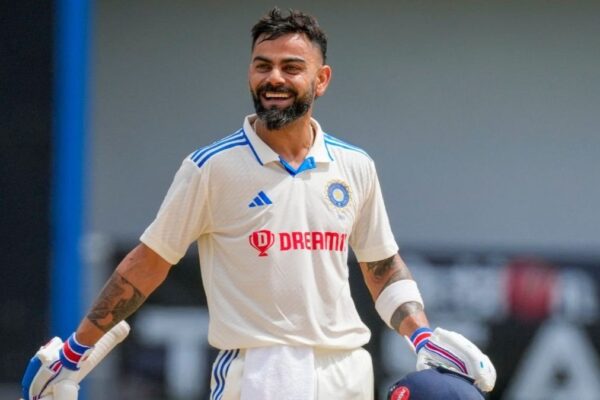
Virat Kohli’s retirement from Tests has left a noticeable void in India’s red-ball setup. His aggressive leadership and consistent performances shaped a defining era for the team, making comparisons with active contemporaries like Joe Root and Steve Smith inevitable. While both continue to pile on runs in Test cricket, Kohli’s absence has only intensified discussions around the circumstances of his departure.
While speaking in an interview, Manoj Tiwary made it clear that he did not believe Virat Kohli walked away willingly. He suggested that an environment was created that left Kohli with little option but to step aside. While the announcement may have come directly from Virat, Manoj Tiwary insisted that events behind the scenes played a major role. In his view, it was unfair to accuse Virat Kohli of leaving Tests simply to chase easier runs in another format.



Manoj Tiwary also questioned how such conclusions could be drawn when many details surrounding Virat Kohli’s situation were already known within cricketing circles. For Manoj Tiwary, the narrative that Kohli abandoned Test cricket by choice does not align with the competitive nature he has always shown throughout his career.
Amid all the debate, Virat Kohli let his performance in ODIs do the talking. In the recently concluded series against New Zealand, he produced a superb century despite India falling short. His innings stood out as a lone, determined effort that kept India in the contest against a disciplined bowling attack.
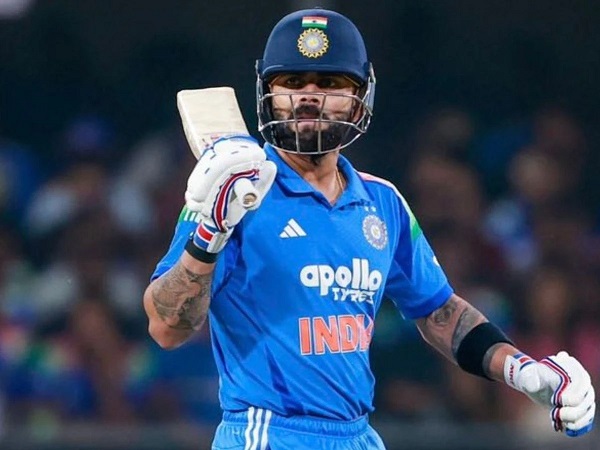
Virat Kohli scored 124 runs from 108 balls, combining control with aggression as he carried India’s batting lineup. He held the innings together as wickets fell around him, playing with patience and precision. Once he was dismissed late in the chase, India’s resistance collapsed and the team was bowled out for 296 in 46 overs while chasing 338.
The defeat handed New Zealand a 2-1 series win and marked a historic moment, as India lost a home ODI series to the Kiwis for the first time.