

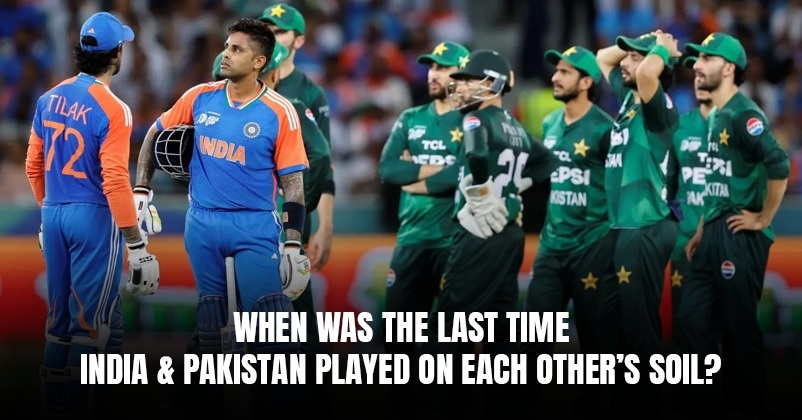
Few rivalries in sport carry as much history and emotion as India versus Pakistan. Every match between the two nations draws massive attention, not just because of cricket but also due to the political tensions which often surround it. That tension has once again come to the surface in the build-up to their scheduled clash in the ICC T20 World Cup 2026.
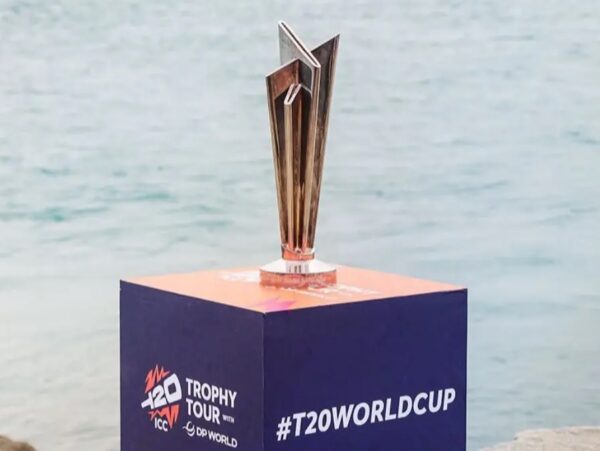
In the days leading up to the tournament, the Pakistan Cricket Board (PCB) initially refused to play against India, even though the match was set to take place at a neutral venue in Colombo, Sri Lanka. The decision wasn’t about the pitch or the players but about politics and what Pakistan believed was an unfair move by the ICC.


The controversy began after the ICC expelled Bangladesh from the tournament when the Bangladesh Cricket Board refused to send its team to India for security reasons. Bangladesh was replaced by Scotland, a move that angered Pakistan. Both the PCB and the Pakistani government called the decision “double standards” and announced that Pakistan would not take the field against India in their group-stage match.
The ICC responded by warning that refusing to play a specific opponent violated tournament rules and went against the spirit of international competitions. For nearly ten days, uncertainty hung over the fixture as diplomatic efforts and negotiations took place. Cricket boards and officials from Sri Lanka, the UAE and the ICC were all involved in discussions to resolve the issue. Eventually, Pakistan backed down. The government directed the team to play the scheduled match against India on February 15, 2026.
While the drama around this particular match grabbed headlines, the strained cricketing relationship between the two countries goes many years back. The last time India played a match in Pakistan was during the 2008 Asia Cup. On July 6 that year, India faced Sri Lanka in the final at the National Stadium in Karachi, which remains their most recent appearance on the Pakistani soil.
Pakistan’s last match in India came during the 2016 ICC T20 World Cup. On March 27, 2016, they played Australia at the Punjab Cricket Association Stadium in Mohali. Since then, neither side has toured the other’s country for cricket.
Security concerns and political tensions have played a major role in this long break. There were several incidents over the years, including cross-border tensions and att@cks linked to Pakistan-based ter*or groups. The biggest turning point came after the November 2008 Mumbai ter*or att@cks, carried out by Lashkar-e-Taiba, in which 166 people were killed. Following those attacks, India suspended bilateral cricket ties with Pakistan and public as well as political sentiment turned strongly against sporting engagement.
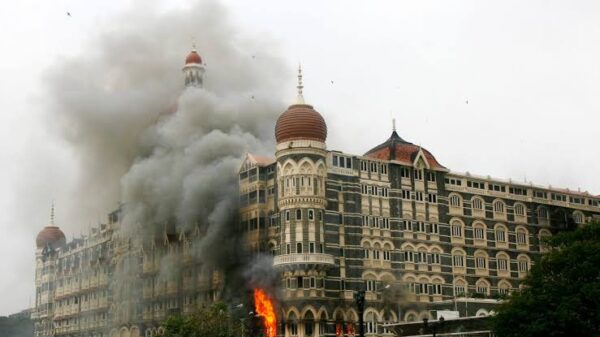
The Indian government has not approved any full tour of Pakistan since then. The last bilateral series India played in Pakistan was in 2006, which included both Tests and ODIs. Pakistan did tour India in 2012-13 for a limited series, but India did not return the favour with a full tour. Tensions rose again after the Pathankot att@ck in 2016 and later the Uri att@ck. India even refused to play the 2017 Champions Trophy in Pakistan and the tournament was eventually moved to England. Since then, no bilateral series has been revived, with India maintaining that cricket ties cannot resume unless cross-border ter#orism concerns are taken care of.
In recent years, however, both the countries have found a middle path for global tournaments. Between 2023 and 2024, India and Pakistan reached an understanding for the ICC events from 2024 to 2027. Under this arrangement, India will not travel to Pakistan for tournaments hosted there and Pakistan will not travel to India for events hosted on the Indian soil. Instead, matches between the two sides are played at neutral venues.
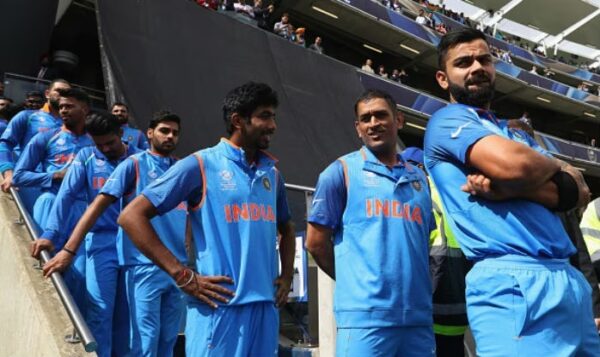
This hybrid model was already used during the 2025 Champions Trophy which was hosted by Pakistan but saw India’s matches played at a neutral venue. The same reciprocal arrangement is now being followed in the ongoing T20 World Cup hosted by India, ensuring that both the teams can compete without either government having to approve travel across the border.