

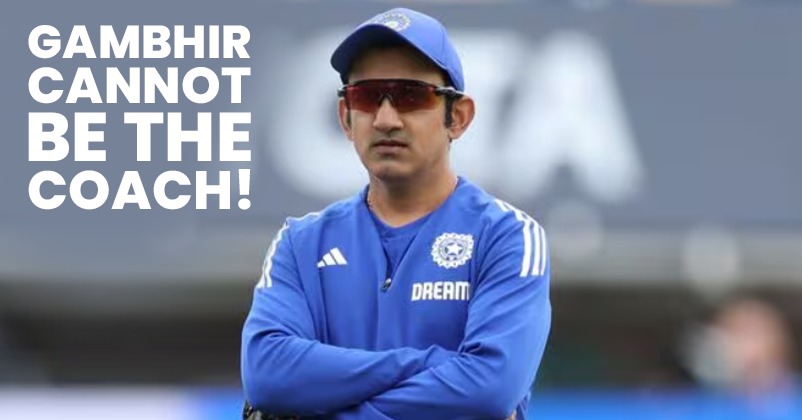
Winning in modern cricket often brings quick praise but losses invite even louder questions. Gautam Gambhir has experienced both in a short span of time as India’s head coach. While the team has found success in white-ball formats under his watch, Test cricket has told a very different story. Two home series whitewashes within a year have placed Gautam Gambhir firmly under the scanner and sparked debate about India’s approach in the longest format.
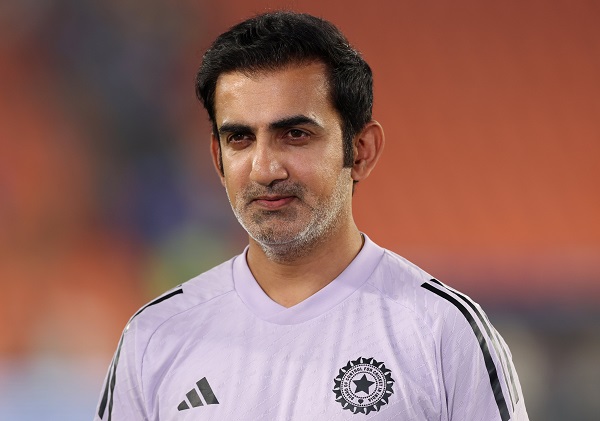
Last year, India suffered a crushing 0-3 defeat against New Zealand at home, a result that played a major role in keeping them out of the ICC World Test Championship final. More recently, South Africa outplayed India 0-2 in another home Test series. These results raised serious concerns, especially around frequent player rotation and the team’s growing reliance on all-rounders and part-time options rather than specialists.
As discussions around responsibility and strategy continue, former captain Kapil Dev has offered a broader perspective on leadership in today’s game. Speaking at an event, Kapil suggested that the role of a “coach” is often misunderstood in modern cricket and he added that Gautam Gambhir can’t be the coach of the team but manager would be an appropriate term to explain his job profile. In his view, what teams really need is strong management rather than traditional coaching.
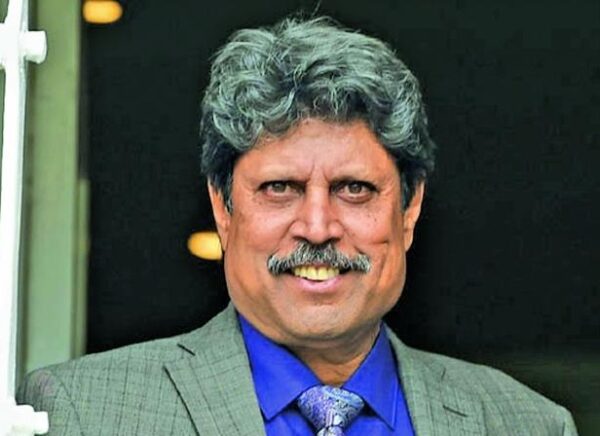
Kapil Dev explained that in earlier days, coaches were mentors who shaped players from a young age. At the international level, however, players already have defined skills and roles. He feels that expecting one person to technically guide specialists across different disciplines is unrealistic. Instead, he believes the focus should be on managing people, not correcting techniques.


According to Kapil Dev, a good manager creates an environment where players feel supported and confident. Encouragement, reassurance and emotional backing can often make a bigger difference than technical advice. He stressed that leadership is about helping players grow, especially during difficult phases.
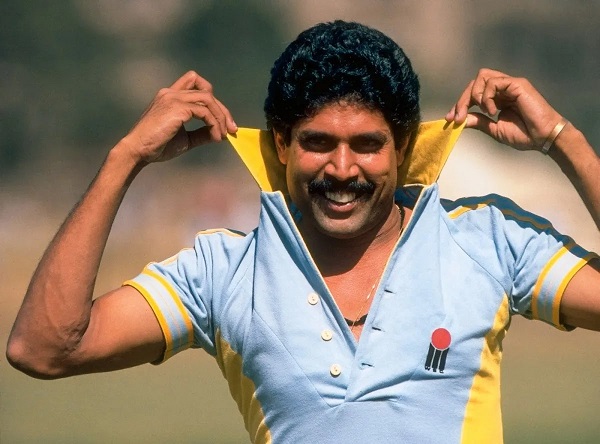
Reflecting on his own time as captain, Kapil Dev shared that he paid special attention to those who were struggling. Rather than celebrating star performances, he preferred to spend time lifting players who were low on confidence. For him, building belief and unity within the team was always more important than individual success.
As India looks to regroup in Test cricket, Kapil Dev’s words serve as a reminder that leadership goes beyond tactics and selections. Sometimes, managing people well can be just as important as winning matches.