

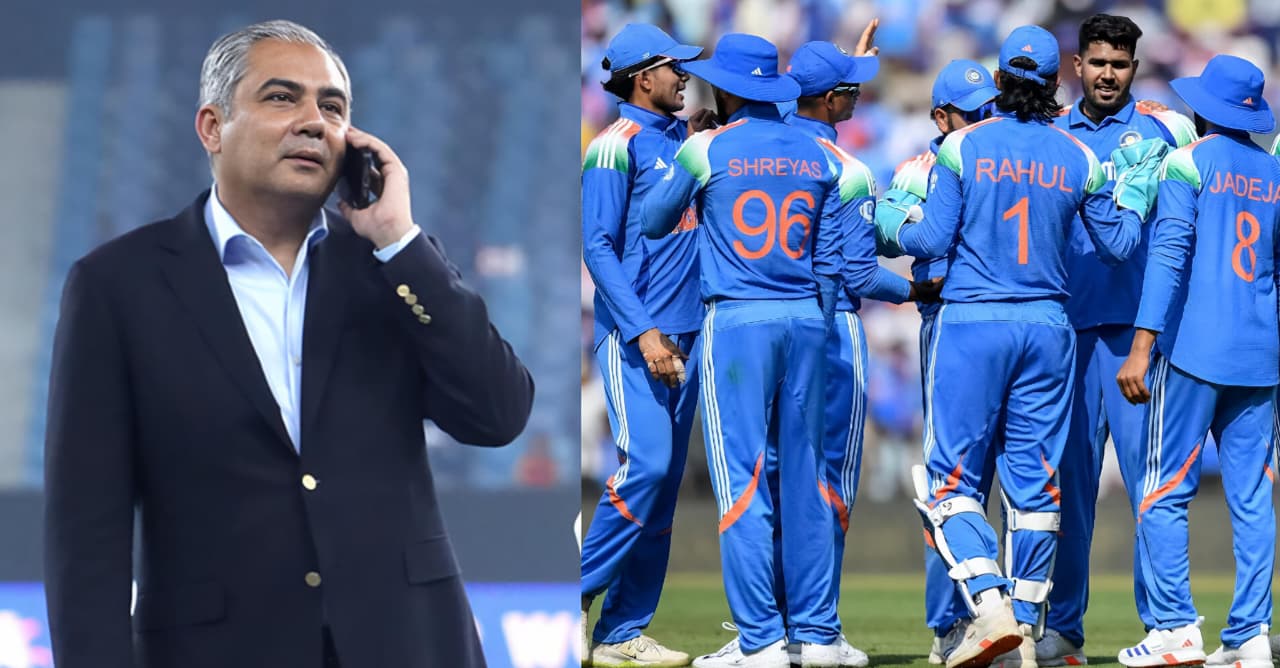
The controversy surrounding India versus Pakistan match at the T20 World Cup 2026 is far from settled, even as the public silence continues. Behind the scenes, the International Cricket Council is reportedly in discreet discussions with the Pakistan Cricket Board after the Pakistani government directed its team to boycott the high-profile group match scheduled for February 15 in Colombo.
According to a report by a publication, the ICC is keen to defuse the situation and prevent major financial losses that could arise from one of cricket’s biggest fixtures being abandoned. The report suggests that Pakistan may be open to raising certain concerns or conditions related to the match, which could explain why the boycott decision was announced well in advance rather than at the last minute.


The discussions are said to involve more than just the ICC and the PCB. A few other cricket boards are also reportedly part of these conversations, with all sides attempting to find a middle ground that avoids escalation. However, there is still no clarity on what such a solution might look like or how it would affect India, Pakistan or the tournament schedule itself.
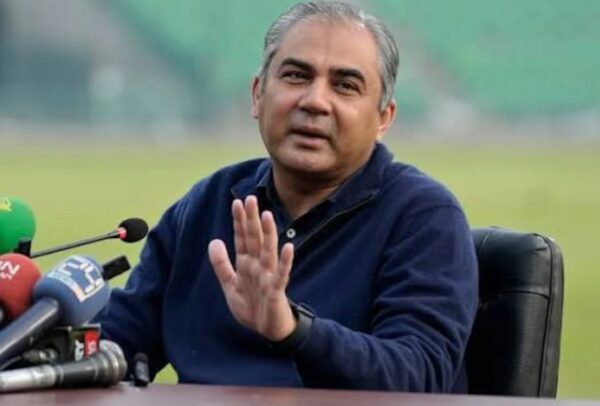
In public, the positions remain carefully managed. The PCB has not formally addressed the government’s order, while players have stated that the decision was not theirs to make and that they would follow the direction of PCB chairman Mohsin Naqvi.
Mohsin Naqvi, who also serves as Pakistan’s interior minister, has not spoken publicly on the matter since earlier criticising the removal of Bangladesh from the tournament, which he described as unfair.
The ICC, meanwhile, has made its concerns clear. In its last official statement, issued soon after the Pakistani government’s decision became public, the governing body warned that selective participation in a global tournament could lead to serious consequences. It stressed that the World Cups are built on the principle that all the qualified teams compete under a common schedule and deviating from that undermines fairness, integrity and competition.
The ICC also urged the PCB to reflect on the long-term impact of such a stance, both on Pakistan cricket and its standing internationally. While acknowledging that governments play a role in national decisions, the ICC maintained that the move does not serve the interests of the global game or its fans, and encouraged efforts toward a mutually acceptable resolution.