

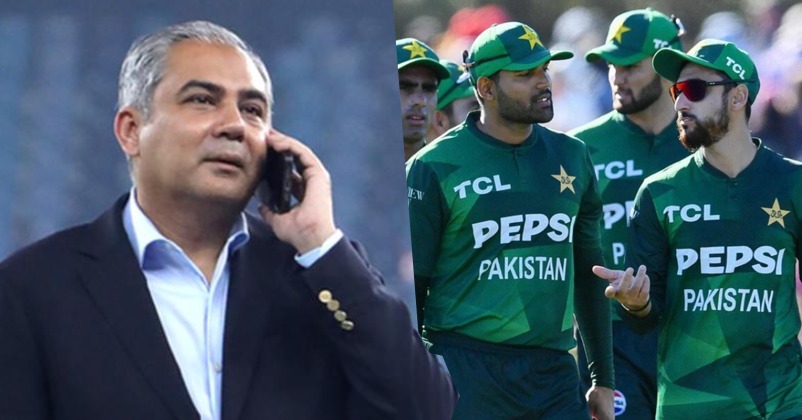
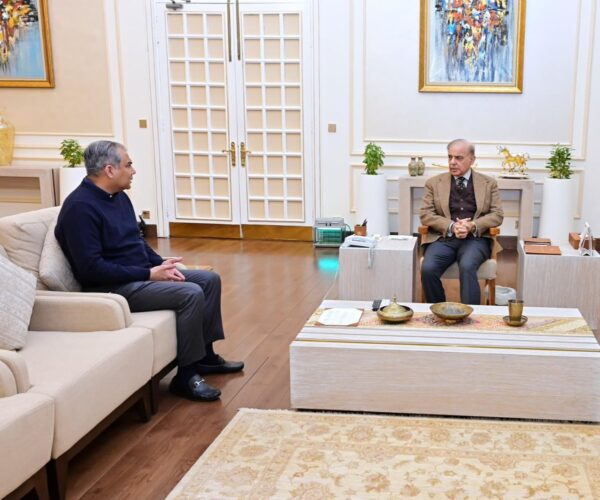
There is no clarity regarding Pakistan’s participation in the upcoming T20 World Cup, with the Pakistan Cricket Board still refusing to give a clear answer. The situation has grown more complex after Scotland replaced Bangladesh in Group C, triggering fresh discussions at the highest levels of the PCB. Board chairman Mohsin Naqvi recently met Pakistan’s Prime Minister Shehbaz Sharif and a final decision is now expected later this week.
Despite the ongoing talks, Pakistan has not ruled out the possibility of boycotting the tournament altogether. Reports suggest that the PCB is carefully examining the political, legal and financial consequences of withdrawing or forfeiting specific matches. The option of skipping the event or parts of it remains firmly on the table.
According to sources, Pakistan’s early performances in the tournament could play a major role in shaping their next move. The team is scheduled to face the Netherlands on February 7 and the USA on February 10. If Pakistan manage to win both the games, there is a strong possibility they may choose not to play their much-anticipated clash against India on February 15 in Colombo. The logic is simple — with qualification already secure, the board may feel emboldened to take a tougher stand.

However, no official call will be made immediately. The PCB is expected to wait until Monday, which is a day after Pakistan complete their three-match T20I series against Australia in Lahore. Only then is a final announcement likely.
At the same time, the PCB is preparing to formally approach the International Cricket Council. The board plans to convey its dissatisfaction over Bangladesh being removed from the tournament and is also considering a symbolic protest during the World Cup to express its stance.
While emotions and politics are clearly influencing discussions, legal and financial realities are proving difficult to ignore. Legal experts have reportedly warned the PCB that a full boycott, especially of the high-profile India match, could trigger serious consequences. A massive broadcast agreement worth around $3 billion is currently in place with JioStar Sports in India, running until 2027. Revenue from this deal is shared among all the ICC member nations.
If Pakistan were to pull out, broadcasters could seek legal compensation from the ICC, which would then pass the burden on to the PCB. In the end, such a move could hurt not just Pakistan but all the cricketing nations by reducing their annual funding.
With so much at stake, Pakistan’s final decision could have a lasting impact far beyond the boundary ropes.