

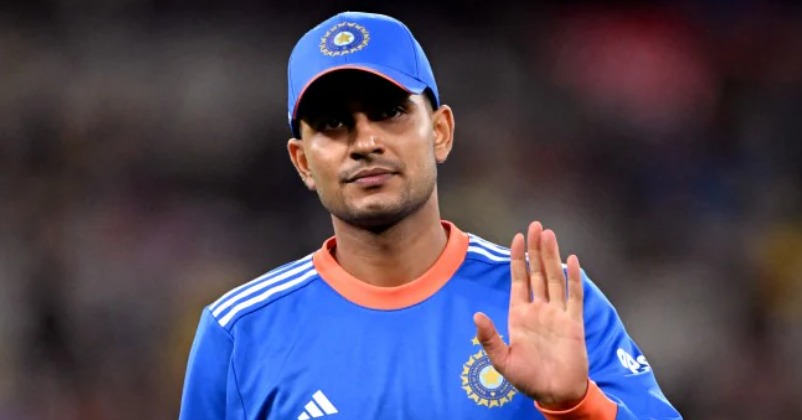
The story does not begin with numbers but with a decision. There is no denying the fact that Shubman Gill is one of the most talented batters of the current Indian cricket setup and he has proved himself in all the formats but when he was brought back as an opener at the start of the 2025 Asia Cup, the move felt bold and forward-looking.
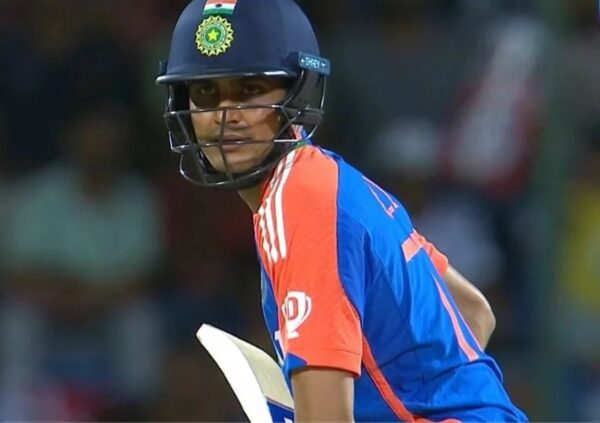
Since then, he has scored 263 runs in 14 innings, averaging just under 24, with a healthy strike rate of nearly 143. On the surface, that looks acceptable, not outstanding, but not alarming either.
Look a little deeper, and the picture becomes more layered.
Since early September, only a handful of batters from Test-playing nations have scored more T20 international runs at a better strike rate than Shubman Gill. Among them, very few are openers and even fewer are Indians. In that sense, Shubman Gill is keeping strong company.
Yet there is another side to the story. Unlike his peers in this group, Shubman Gill has not reached a single half-century in this period. He has hit only four sixes, far below what is typical for leading run-scorers in modern T20 cricket. Data tracking batting impact also places him near the lower end among regular batters this year.
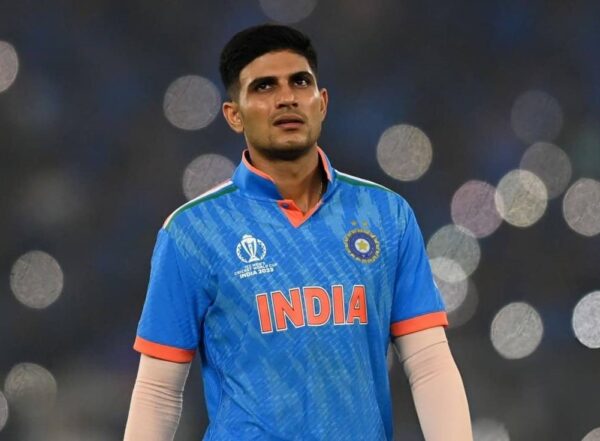
What matters, though, is intent and Shubman Gill has not lacked that. Advanced metrics show he has been willing to take risks, even more so than some of his opening partners. At times, luck has worked against him. In Australia, rain cut short two promising innings where he was striking at over 180 and looked set for big scores.
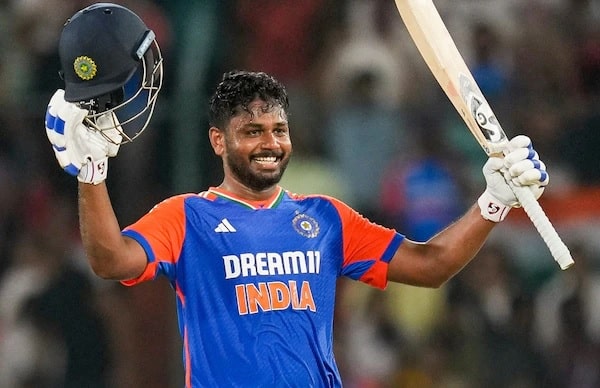
Shubman Gill himself is not the crisis he is often made out to be. The bigger debate began when Sanju Samson was removed from the opening slot. Sanju Samson, who had scored multiple T20I centuries as an opener, had not done much wrong to warrant being pushed down the order. The explanation given at the time, that Shubman Gill had earned the spot based on earlier performances, did little to settle the discussion.
Still, selection is rarely comfortable. Indian cricket’s depth forces selectors to take tough calls, sometimes prioritising long-term vision over short-term numbers. Sanju Samson made the most of his opportunities; Shubman Gill has struggled to do the same so far. That is sport, timing matters.
Importantly, the team management has continued to stand by Shubman Gill. Even after a first-ball dismissal against South Africa at home, the support did not waver. The coaches described it as one of those moments that happen when form is missing, reiterating their belief in his quality and ability to recover. They also spoke about how leadership responsibilities may have weighed him down, making him play tighter than usual, and how the focus now is to help him rediscover the freedom he shows in domestic leagues.
All of this points to a healthy dressing-room culture, something not always guaranteed in the past.
The real complication, however, lies in another decision made on the same day Shubman Gill returned. He was not only reinstated as opener but he was also named full-time vice-captain, replacing Axar Patel.
On paper, vice-captaincy may seem symbolic. In practice, it clearly matters in this Indian setup. The leadership group has openly spoken about grooming Shubman Gill as a future captain. That status changes everything.
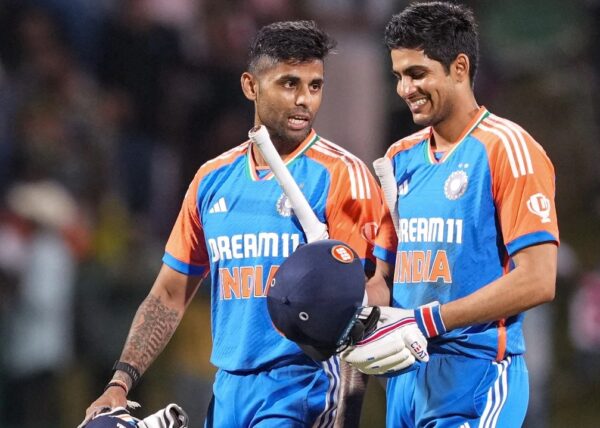
In the one-day team, leadership roles sit naturally with players who are already automatic selections based on performance. Shubman Gill’s case in T20Is is different. He was handed both a place and a leadership title without having to re-establish himself first.
This is not a criticism of Shubman Gill. It is about the situation created around him.


Now, even if the management quietly feels that pushing Sanju Samson aside was a mistake, reversing that call becomes far more complicated. Dropping an opener is one thing, dropping the vice-captain is another.
At that stage, there was no urgency to add this extra layer of responsibility. The captain (SKY) had time left and there were experienced interim options available if needed. Instead, the leadership tag has turned a performance question into a structural problem.

In most teams, 14 average innings would be enough to rethink a position. Add a leadership label and suddenly the player receives more patience, stronger public defence and greater protection. Established stars can afford that luxury because they have proven success behind them. Shubman Gill, in this format, does not yet have that cushion.
This creates an uncomfortable choice ahead of a major tournament — either drop a struggling vice-captain close to the World Cup or persist with him and risk carrying form issues into the biggest stage.
Other teams may look at India and envy the depth, the options, the so-called “good headaches”. But this is a problem of India’s own making, a decision that has turned flexibility into pressure. The relief was left behind long ago and now the headache is impossible to ignore.
What is your take on this matter?