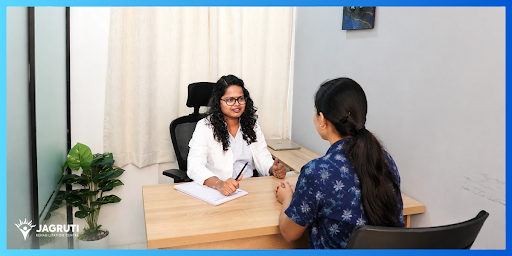
Nobody wakes up one morning and decides they have a substance abuse problem. It creeps in sideways. A drink after work becomes two, then it’s the only way anyone knows how to unwind. A prescription painkiller taken for a real injury outlasts the injury by months. By the time a family names what’s happening, the pattern’s usually been running a long while already. That gap, between the first quiet warning sign and the first real conversation, is where most of the damage gets done, and where the best chance at recovery quietly slips by.
Why Early Treatment Makes a Difference
Substance abuse rarely announces itself. It builds through small shifts, easy to explain away at the time. Someone starts skipping the gym. They snap at people when they can’t get their hands on whatever it is. Sleep goes first, usually, then appetite. None of this looks like a crisis while it’s happening, which is precisely the problem. Left alone, these small things stack up, and occasional use can turn into dependence well before anyone notices the shift.
Substance Abuse can affect people across metropolitan cities like Delhi, Chennai and Bengaluru amongst others, often in ways that may not be immediately visible. To cope up with the daily struggles of a fast-paced lifestyle, a majority of individuals mostly end up turning to substances to ease their burden. This is where it is vital for family members to point out these addictions and take action before it’s late.
Timing matters more than people tend to give it credit for. Catch things early, while someone still has a job, a marriage, some financial footing, and enough self-awareness left to recognise the problem, and treatment has a real shot at working. Wait, and it stops being just about the substance. Now there’s a marriage to rebuild, an employer to talk to, a health complication that never needed to happen. For someone living in Chennai, juggling with the daily atrocities of life, substance abuse is bound to happen. And this is where it is imperative to reach out to a rehabilitation centre in Chennai sooner rather than later.
There’s a psychological angle too, easy to overlook. Early treatment tends to happen while a person still half-believes things can go back to how they were, and that belief does a lot of work. It’s what gets someone to actually sit through a counselling session instead of just showing up. Wait long enough, and that belief thins out.
Understanding the Impact of Untreated Substance Abuse
It doesn’t stay contained. That’s the thing about untreated substance abuse, it spreads into places you wouldn’t expect. Physically, prolonged use wears down the liver, the heart, the nervous system, and sleep and appetite go early. On the mental health side, anxiety and depression tend to show up alongside it, sometimes as a cause, sometimes as a result, feeding each other in a loop that gets harder to break the longer it runs.
Then there’s everything outside the person. Family relationships usually take the first hit. Trust doesn’t collapse all at once, it wears away, one missed dinner, one broken promise at a time. Work or school performance slips next, and someone starts covering for a colleague who used to be reliable. Money disappears in ways that don’t add up, and that alone often pushes a family toward crisis before the word “addiction” gets said out loud.
Socially, people withdraw, and old friendships fade quietly because they no longer fit the new routine. None of this is meant to scare anyone reading it. It’s simply what tends to happen when a treatable condition goes untreated too long.
How Professional Treatment Supports Recovery
Arjun, a mid-level manager in his early thirties started drinking the ordinary way, a couple of beers after a rough week. Over roughly a year and a half, weekends bled into weeknights. He wasn’t turning up drunk to the office, not yet, but he was tired, distracted, short with his wife and, eventually, with his kids too.
His sister noticed first, actually. She said something to his wife, and the two of them raised it with Arjun, who waved it off. It took a second conversation, more direct this time, sparked by a family event he’d missed, before he agreed to get assessed.
That’s the point where things turned. A clinical team ran a full assessment, looked past just the drinking to his stress levels and family situation, and built a plan around the whole picture. Individual counselling, behavioural therapy, and his wife joined family sessions partway through, which mattered more than he’d expected. He also came away with actual relapse prevention tools, not the vague kind of advice that sounds good but doesn’t hold up on a bad Tuesday. Working with a Rehab Centre in Chennai over the following months, Arjun rebuilt a routine that didn’t revolve around alcohol, and he’s kept it that way since.
Stories like this aren’t unusual, honestly. What tends to make the real difference is almost always the same: someone noticed early, and help arrived before things hardened into something much harder to walk back.
Key Elements of Effective Substance Abuse Treatment
Good treatment is never a single moment. It’s built in layers:
- A comprehensive clinical assessment first, since no two people arrive here through the same door.
- Individualised plans. A student experimenting with stimulants needs something different from someone managing chronic pain medication misuse.
- Medical care where needed, especially during withdrawal.
- Counselling and behavioural therapy, aimed at whatever’s driving the use, trauma, anxiety, or old habits.
- Family involvement, often the thing that decides whether recovery holds.
- Lifestyle changes, sleep, movement, structure, that quietly replace the old routine.
- Relapse prevention and real aftercare, so none of it unravels once treatment ends.
Recovery was never just about stopping. It’s about building a life that doesn’t need the substance to function.
Encouraging Early Help Can Change Recovery Outcomes
Most of the delay comes down to stigma, not a lack of awareness. People usually know, somewhere, that something’s wrong. What keeps them from acting is fear, of judgment, of what it says about them, of how family or colleagues might react.
Family members are often best placed to break that cycle. Noticing early signs, changes in mood, secrecy, pulling away from usual activities, money that doesn’t add up, and raising them gently can open a door that would otherwise stay shut for years. It helps too when treatment gets talked about as ordinary healthcare, not a last resort for the worst cases. Wait for things to fall apart, and recovery almost always ends up longer and harder than it needed to be.
Wider awareness matters just as much as any one conversation. The more normal it becomes to ask for help early, the fewer people wait until there’s barely anything left to salvage.
Conclusion
Timely substance abuse treatment changes outcomes, plain and simple. Catching the problem early, before it works into every corner of someone’s health, relationships, and finances, gives recovery an actual foundation to stand on. A proper assessment, a plan built around the individual, family involved early, and aftercare that doesn’t stop the day treatment ends, together these help someone get back their sobriety, their health, their independence, and something like their old sense of self.
Rehabilitation Support in Chennai
If you or a family member is looking for professional rehabilitation support in Chennai, you can contact:
Jagruti Rehabilitation Centre – Mental Hospital in Chennai | Alcohol De-addiction Centre in Chennai
Address: 15, Venkataraman Street, T. Nagar, Chennai, Tamil Nadu 600017
Phone: +91-9822207761
 Why You Should Choose a Private Theatre Celebration for Your Next Anniversary
 Big Kay SMG A Musical Journey Rooted in Passion, Production, and Artistic Expression
 Is Senior Citizen Health Insurance with Co-pay Still Worth Considering
 How to Identify Fake Property Listings Online: Inside NoBroker’s Approach