


There are some stories in the film industry that linger long after the people involved have moved on, tales whispered more than spoken. One such chapter belongs to Kamal Haasan and Rekha, two celebrated stars whose names were once linked in a way that sparked endless curiosity.

Long before he became a towering figure of Indian cinema, Kamal Haasan was already working across multiple languages and building a loyal fan base. In the late ’70s, he was active in Hindi films too, even though he was already married at the time. Around the same period, Rekha was immersed in her work on Silsila, one of the most talked-about films of that era. While juggling this, she also signed the Tamil film Meendum Kokila, where she starred alongside Kamal Haasan and Sridevi.


People who were around the sets back then often recalled that Kamal and Rekha seemed to share a comfort and warmth that grew with time. Their friendly equation, however, didn’t go unnoticed. Whispers soon traveled back to Kamal’s wife Vani Ganapathy who had already begun hearing about their growing closeness.

According to accounts from those familiar with the era, things came to a head towards the end of 1979 at Chennai’s Chola Sheraton Hotel. A journalist later shared that he had been at the hotel for work when he noticed an unusual activity. Someone at the reception reportedly mentioned that Kamal and Rekha were together in one of the rooms and shortly after, Vani Ganapathy arrived, visibly upset. The incident, as relayed over the years, added more fuel to the ongoing rumours.
Stories even circulated about the impact this had on Meendum Kokila, with claims that Rekha was removed from the film due to the situation. Whether this was true or simply another layer added by gossip, no one can say for certain. What is known is that Kamal Haasan’s marriage with Vani Ganapathy eventually ended in 1988.
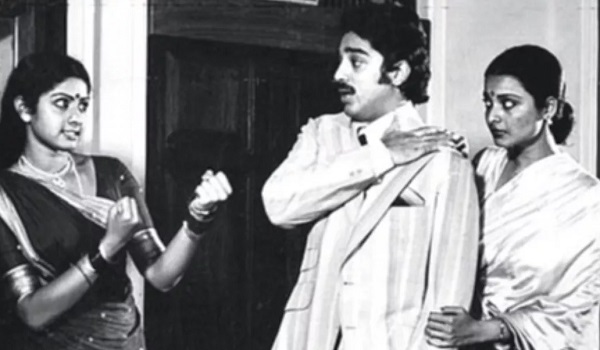
Despite the noise around them, both Kamal Haasan and Rekha maintained silence. They never acknowledged any romantic involvement, allowing the rumours to live on without confirmation. Decades later, the story still resurfaces, more as a reminder of how public attention once magnified personal moments into lasting stories.