

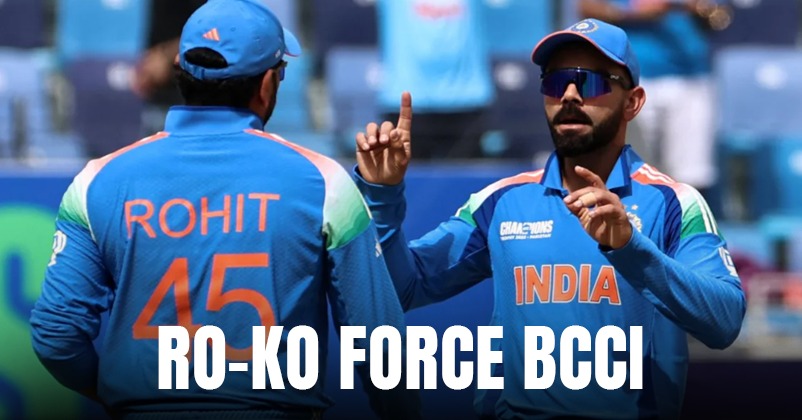
Indian domestic cricket has quietly gone through a transformation over the last couple of years. What once felt like a low-profile grind followed mostly by purists has suddenly found new life, thanks to a clear directive from the BCCI. The BCCI had announced that centrally contracted Indian players must turn out for domestic tournaments whenever they are not on national duty. The idea was simple — stop players from drifting away from domestic cricket once they become international regulars.
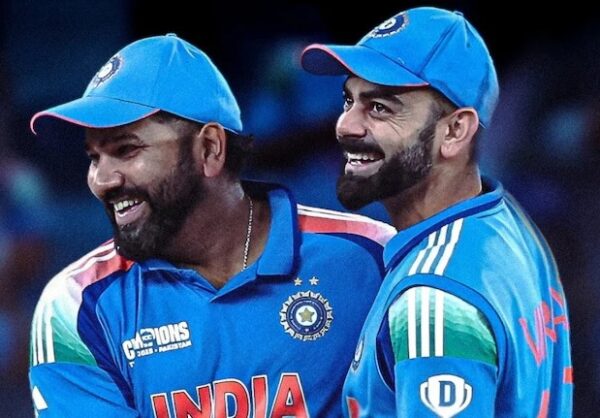
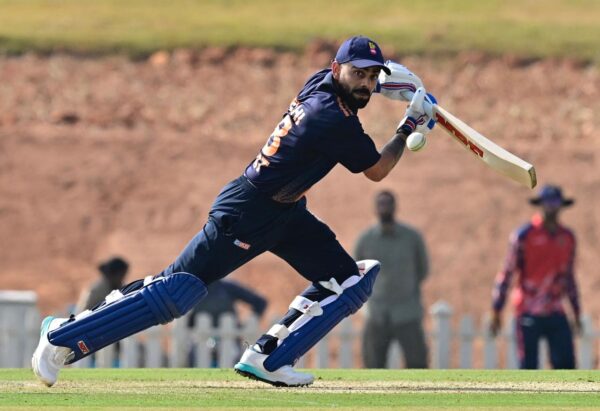
The impact of that decision has been visible across venues and scorecards. Established stars returning to the domestic circuit gave young players rare access to top-level experience, while fans were drawn back to grounds in large numbers. One of the strongest examples came last year when Virat Kohli featured in a Ranji Trophy match for Delhi. The Arun Jaitley Stadium witnessed an unexpected surge in attendance, with supporters eager to see one of the country’s biggest icons in whites again.
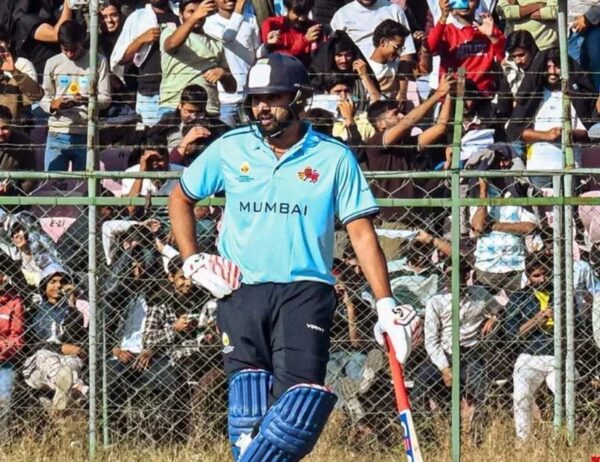
That excitement did not fade with time. During the recent Vijay Hazare Trophy matches in Jaipur, crowds packed the stadium when Mumbai took the field, largely because Rohit Sharma was part of the playing XI. Virat Kohli, meanwhile, also appeared for Delhi in a few matches played in Bengaluru, once again sparking buzz around fixtures that would normally go unnoticed.
However, the enthusiasm also exposed a major gap. While fans at the venues got to witness these moments, thousands of others were left frustrated. Many matches featuring Rohit Sharma and Virat Kohli were not broadcast live, leaving supporters across the country without a way to watch. Matters became worse when Delhi’s Vijay Hazare Trophy matches in Bengaluru were held behind closed doors, denying fans both physical and televised access.


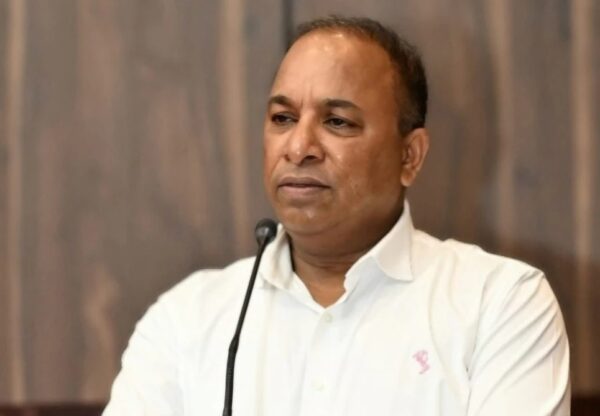
The criticism was loud, especially on social media, and the BCCI appears to have taken note. Current BCCI secretary Devajit Saikia has acknowledged that the return of international stars to domestic cricket has changed viewer expectations. According to him, the board has been receiving a flood of questions from fans and media about why certain matches are not televised and which games will be shown live. This kind of demand, he admitted, barely existed earlier.
At present, the BCCI has an agreement to broadcast 100 domestic matches each season. That system worked when domestic cricket attracted limited attention. But with India’s biggest names now regularly featuring, Devajit Saikia has confirmed that the board plans to revise this policy from the next season. The number of televised matches is expected to go up, with discussions already underway with broadcast partners to make that happen.
The reasoning goes beyond fan service alone. Devajit Saikia believes that having senior international players actively involved in domestic tournaments adds enormous value to the ecosystem. Young cricketers not only get the chance to compete against the best in the country but also learn by sharing dressing rooms with players they have grown up watching. Those interactions, he feels, help youngsters grow faster, gain confidence and understand the demands of top-level cricket.
At the same time, the presence of senior players ensures that even national stars use their free time productively instead of staying away from competitive cricket. The overall standard rises, interest grows and domestic cricket becomes more relevant again.
With fan pressure mounting and star power returning to the domestic stage, the BCCI now seems ready to bridge the final gap. More cameras, more coverage and more access could soon make domestic cricket a must-watch again, not just at stadiums but in living rooms across the country.