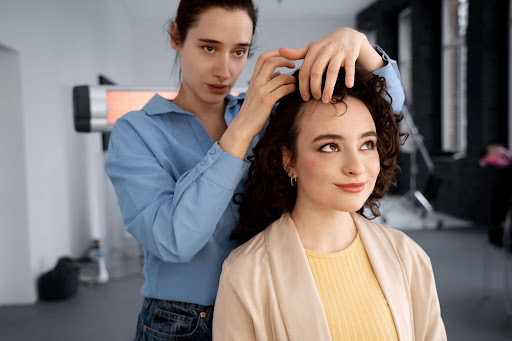
Most people dealing with hair loss try the first solution they come across — a popular shampoo, a supplement someone recommended, or a home remedy passed down through family. Months later, the hair is still thinning, and the frustration has doubled. The problem usually isn’t effort. It’s that the treatment was never matched to the actual cause. And hair loss rarely has just one cause.
Why Hair Loss Isn’t One-Size-Fits-All
Hair loss is one of those conditions that looks similar on the surface but runs very deep. Two people can have the same pattern of thinning but for entirely different reasons — one might have a hormonal imbalance, the other a nutritional deficiency, and a third might be dealing with chronic stress affecting the hair growth cycle. Treating all three with the same product is like prescribing the same medicine for three different infections. It might help a little, or do nothing at all.
This is why personalization isn’t just a marketing word in the context of hair health. It’s actually the difference between a plan that works and one that doesn’t.
Understanding Root Cause vs. Symptom Treatment
A symptom-focused approach looks at what you see — thinning crown, receding hairline, increased shedding. A root cause approach asks why that’s happening in the first place. Common underlying causes include:
- Hormonal changes, particularly DHT sensitivity in androgenetic alopecia
- Thyroid dysfunction, which disrupts the hair growth cycle
- Iron or ferritin deficiency, even when overall health seems fine
- Chronic physical or emotional stress affecting the telogen phase
- Scalp conditions like dandruff or seborrheic dermatitis blocking follicles
- Poor gut health affecting nutrient absorption
A good personalized plan doesn’t just prescribe topical solutions. It investigates which of these factors are actually at play and addresses them directly. That often requires some form of diagnostic step — whether a blood test, a scalp assessment, or a detailed health questionnaire.
What Should Actually Be Included in a Hair Loss Treatment Plan
A real personalized plan typically works across more than one front. Here’s what it should cover:
- A proper assessment of your hair loss type and stage
- Internal support — this usually means addressing deficiencies or hormonal factors through nutrition or targeted supplements
- Topical care matched to your scalp type — oily scalps need different treatment than dry ones
- Lifestyle guidance, particularly around stress, sleep, and diet, since these directly affect hair cycling
- A timeline with realistic expectations, because hair growth is slow and takes months to show results
If a plan skips the assessment and jumps straight to a product, that’s a red flag. Hair loss treatment that works is built backward from the cause, not forward from a product catalog.
The Role of Expert Guidance
It’s tempting to self-diagnose and self-treat, especially with so much information available online. But hair loss conditions like alopecia areata, telogen effluvium, and androgenetic alopecia all look similar to the untrained eye and are managed very differently. Getting a professional to look at your case — whether a dermatologist, trichologist, or a doctor trained in hair health — can save months of wasted effort.
Some platforms now offer this kind of guided approach digitally. Traya, for instance, combines a doctor-reviewed diagnosis with a treatment plan built around the individual’s specific health picture, including factors like diet, stress, and scalp condition rather than just visible hair loss patterns. This kind of approach is worth understanding when you’re looking at what a genuinely personalized plan should offer.
How to Track Whether a Plan Is Actually Working
Many people abandon treatments too early because they don’t see results in a few weeks. Hair has a long growth cycle — the anagen phase alone lasts two to six years. This means visible improvement usually takes three to six months minimum. A good plan will tell you this upfront.
Track your progress through:
- Reduced daily shedding (this often improves before regrowth is visible)
- Scalp health changes like less flaking or irritation
- Photos taken monthly in consistent lighting
If nothing has shifted after four to six months of consistent use, the root cause diagnosis likely needs revisiting.
Final Thoughts
Hair loss is manageable, but it asks for patience and the right approach — not just any approach. A plan worth following is one that actually accounts for your biology, your lifestyle, and your specific type of hair loss. The more personalized it is, the better the odds that it will actually work. Start with understanding the cause. The right treatment usually follows from there
 A Guide to Different Types of Mattresses and Who They Are Best Suited For
 Term Insurance Tax Benefits in India: How They Compare With Return of Premium Plans
 Planning a spiritual getaway to Ayodhya? Here is everything you need to know
 Celebs Have a New “Yellow Cap Lip Balm” Obsession, and the Internet Is Playing Detective 👀💛