

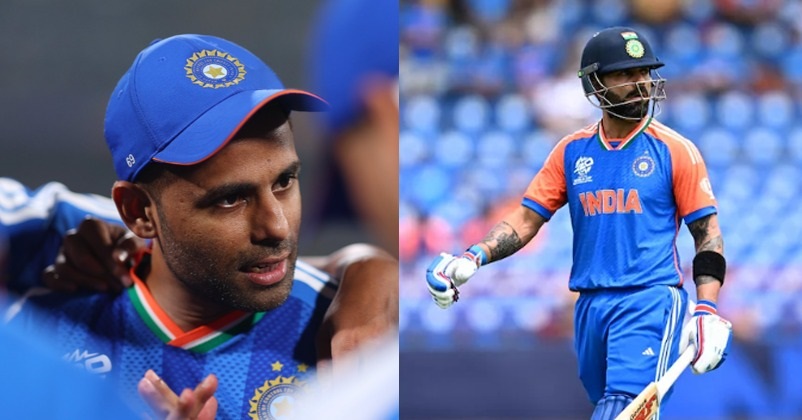
Trophies often make victories look smooth; however, India’s unbeaten run to the 2024 ICC T20 World Cup title was anything but easy. After waiting for 17 long years to reclaim the crown, India had to dig deep, adapt quickly and survive several tense moments before lifting the trophy.
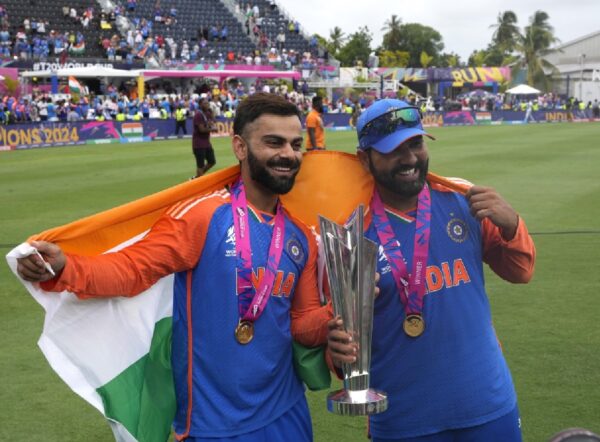
India began their campaign with narrow and testing games. They managed just 119 against Pakistan, chased down 111 against the USA on a tricky surface and kept finding ways to win even when conditions were far from ideal. However, their toughest challenge came in the final against South Africa, where everything seemed to slip away at once.


Batting first in the title clash, India suffered a shocking top-order collapse. Captain Rohit Sharma was gone for 9, Rishabh Pant departed without scoring and Suryakumar Yadav managed only 3. Inside the Powerplay, India were reeling at 34 for 3 in just 4.3 overs, staring at the possibility of a disastrous total.
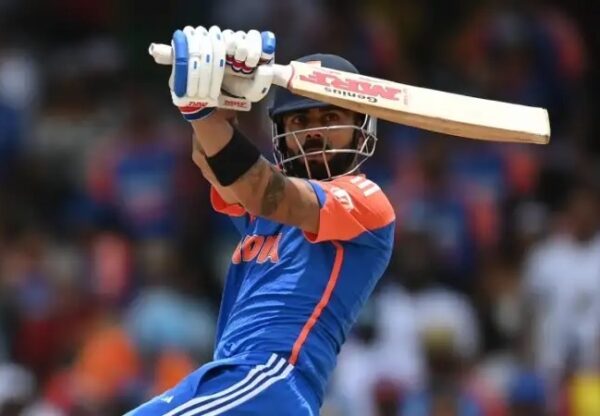
That is when Virat Kohli stepped in and changed the narrative. Calm, patient and composed, Kohli held one end together while wickets fell around him. He built crucial partnerships with Axar Patel, who scored 47, and Shivam Dube, who added 27. Virat Kohli’s 76 anchored the innings and guided India to 176 for 7, a total that later proved just enough. India then defended 33 runs in the final five overs to seal a dramatic win.
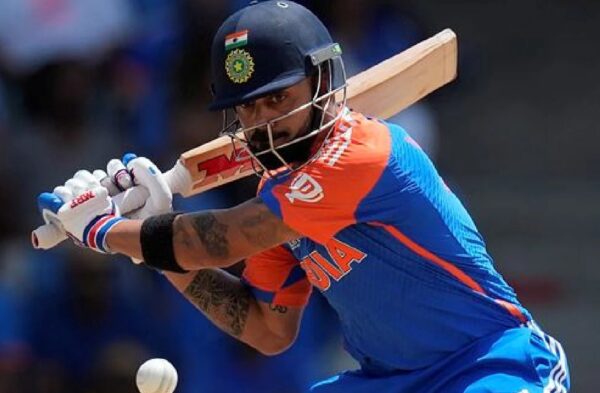
Virat Kohli was named the Player of the Final and soon after India were crowned champions, he announced his retirement from T20 internationals. Interestingly, his overall tournament tally of 151 runs from eight innings was below his usual standards but his impact in the final defined the campaign.
With the 2026 T20 World Cup approaching, a new question has emerged. If India find themselves in a similar situation on a difficult pitch again, who will play the stabilising role Virat Kohli mastered?
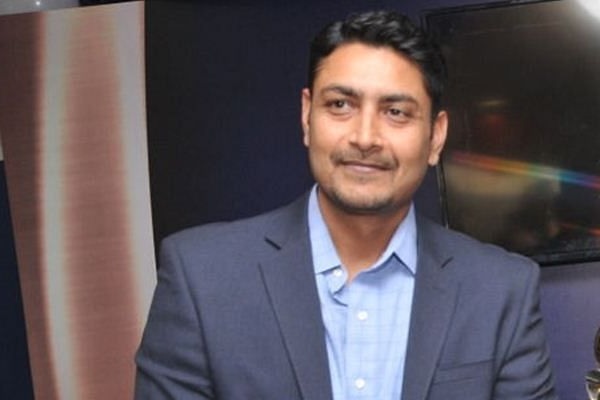
Former India cricketer Deep Dasgupta believes that it will not be an easy problem to solve. He feels that power-hitters who thrive on aggressive batting often struggle to suddenly switch gears when pitches slow down in the later stages of big tournaments. According to him, Virat Kohli’s ability to adapt to tough surfaces was vital to India’s success.
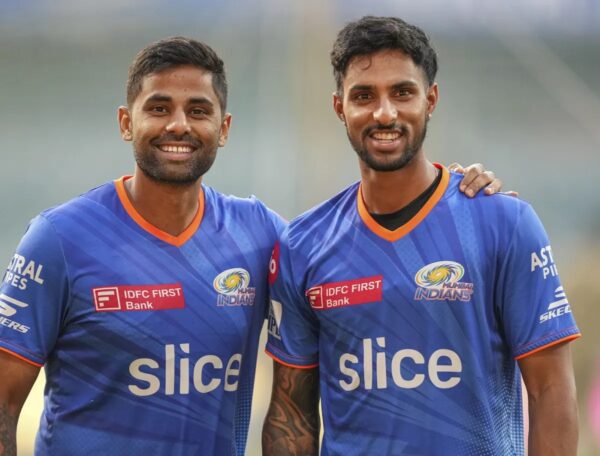
Deep Dasgupta, however, does not believe India will need an anchor in every match. He pointed out that players like captain Suryakumar Yadav and Tilak Varma have shown they can adjust their game based on conditions and team needs, even if their natural style is attacking.
India will begin their T20 World Cup 2026 campaign against the USA on February 7, with all eyes watching how this evolving batting unit handles pressure without its most reliable crisis manager.