

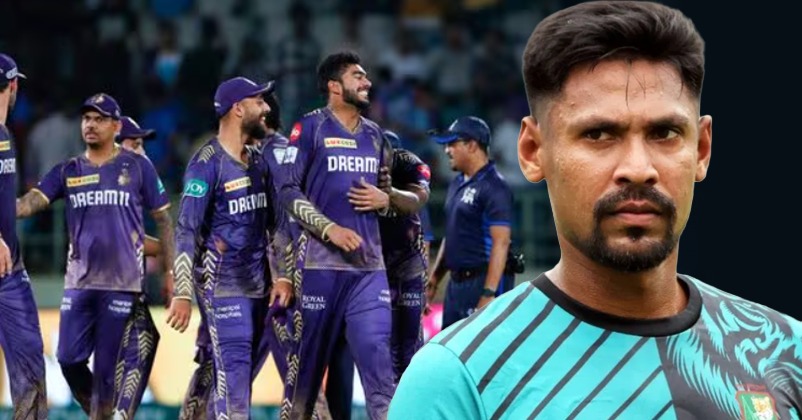
What began as a routine IPL auction decision has now turned into a heated national conversation, placing Shah Rukh Khan and his franchise Kolkata Knight Riders (KKR) under intense scrutiny. The controversy is related to the signing of a Bangladeshi cricketer at a time when reports of violence against minority communities (Hindus) in Bangladesh have triggered strong emotional and political reactions in India.
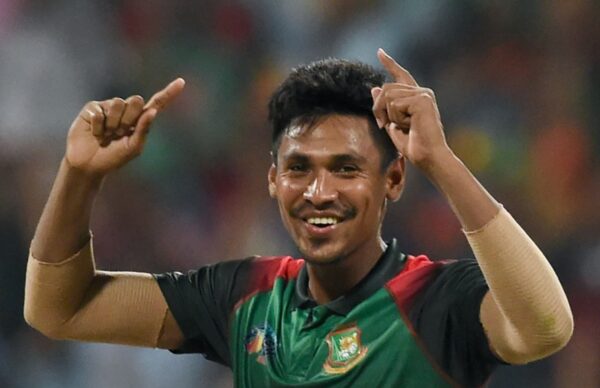
KKR picked up Bangladesh fast bowler Mustafizur Rahman for the 2026 IPL season at a price of Rs 9.20 crore during the mini-auction. Known for his ability to bowl effectively in the death overs, Mustafizur Rahman is an experienced international player with years of IPL exposure and over 250 international appearances for Bangladesh. From the cricketing point of view, the signing was seen as a strategic addition to an already strong bowling unit.


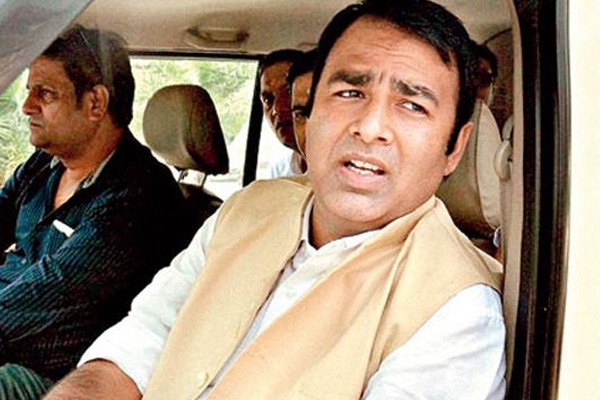
However, the move quickly drew criticism from political leaders. Sangeet Som, a senior BJP figure, publicly questioned the inclusion of a Bangladeshi player during a period of unrest across the border and accused Shah Rukh Khan of putting commercial interests above national sentiment. Similar criticism followed from a prominent religious leader, adding fuel to an already growing controversy.
The backlash soon spilled onto social media, where calls to boycott KKR and even the IPL began trending. Despite the rising noise, neither KKR nor the BCCI has released an official statement addressing the issue, choosing to remain silent so far.
From a purely sporting perspective, dropping Mustafizur Rahman may not significantly weaken KKR. The franchise has a deep bowling attack and it was never certain that the Bangladeshi pacer would feature regularly in the playing XI. He was also expected to be unavailable for a short window in April due to other commitments, reducing his overall impact on the season.

The bigger question, however, lies in the financial and contractual implications. IPL contracts operate under strict BCCI regulations. While the board has the authority to ban players for disciplinary or integrity-related violations, there is no provision to bar someone purely due to political protests or public pressure.
The IPL also follows a “no play, no pay” policy. If a player withdraws from the tournament before playing a match, even because of injury, the franchise is not required to pay the contract amount. If Mustafizur Rahman were to voluntarily pull out of the tournament before it begins, KKR would not have to pay him Rs 9.20 crore.

The situation becomes more complex if the franchise itself decides to release him. Once the auction is complete, a formal contract is signed. If the player is fit and available, the franchise is usually obligated to honour the payment, even if the player is not selected for matches. In many such cases, franchises and players mutually agree to cancel contracts to avoid prolonged disputes or financial losses.
Franchises are only exempt from paying players if they are banned due to serious violations such as corruption, doping, breaches of conduct or playing in unauthorised leagues. As of now, Mustafizur Rahman’s case does not fall under any of these categories.
As emotions run high, KKR tries to find a solution to manage sports, sentiment and business. What happens next could set an important precedent for how the IPL handles controversies that extend far beyond the cricket field.