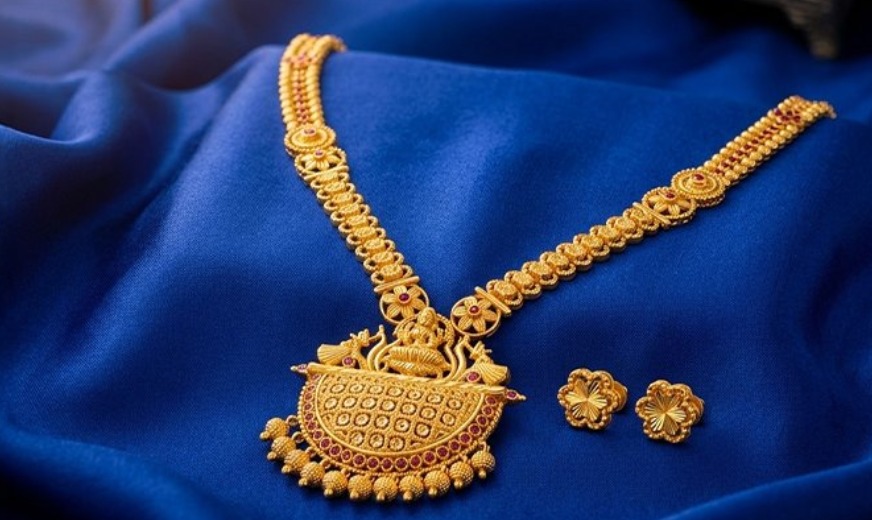
That old gold necklace sitting untouched in your jewellery box might be worth more than you think. The broken bangle you stopped wearing, the mismatched earrings you forgot about, or the ring that no longer suits your style can still hold considerable value.
Yet, the moment you consider exchanging them, a list of doubts often follows. Will you get a fair value? Does the gold need to come from a particular jeweller? These questions have allowed several misconceptions about old gold exchange to be mistaken for facts. But the actual process can be much clearer than these assumptions suggest.
Let’s separate fact from fiction and discover what really happens during a transparent gold exchange.
You Always Get Less Than Market Value
A common belief about gold exchange is that you automatically lose a substantial part of your jewellery’s value. However, the amount offered depends on factors such as the gold’s verified purity, weight and the applicable buying rate at the time of evaluation.
A transparent programme can make these calculations easier to understand. With 0% deduction on exchange value, the buying rate can equal the selling rate, helping you receive 100% value on your old gold.
This also means you do not have to rely on assumptions about how much your jewellery is worth. The purity and weight are assessed as part of the process, giving you a clearer basis for understanding its exchange value.
The key is to check the terms of the programme and understand how the value of your old jewellery is calculated before choosing your new piece.
Only Certain Types of Jewellery Qualify
Another misconception is that gold exchange is limited to jewellery purchased from a particular jeweller or made in specific designs. That can make people overlook pieces they have stored away simply because they were purchased elsewhere.


A universal acceptance policy can offer considerably more flexibility. Gold of any karat from any jeweller can be accepted, so your old jewellery does not necessarily need to come from the same store where you plan to make your new purchase.
Original bills or receipts may also not be required under such a programme. This can be useful when jewellery has been inherited, gifted or purchased many years ago and its paperwork is no longer available.
Acceptance can extend beyond conventional ornaments, too. Gold coins, bars and broken gold pieces can also be accepted, giving unused gold a practical route towards a new jewellery purchase.
The Process is Complicated and Time-consuming
Many people assume gold exchange involves complicated paperwork, multiple assessments and a long wait before they can select new jewellery. A transparent process, however, can be broken into a few clear stages.
The journey begins when you bring your old gold jewellery to the store. Its purity is then evaluated using a certified Karatmeter machine, which determines the exact karat purity of the gold.
Next comes a step that often causes the most uncertainty: melting. Instead of keeping this stage hidden, the gold can be melted right in front of you by skilled kaarigars in dedicated, transparent kaarigari rooms.
Once the value has been established, you can explore a range of new designs and use the exchange value towards your chosen jewellery. The process therefore moves from evaluation to selection in a clearly defined sequence.
Purity Testing is Unreliable
When considering gold exchange, purity is naturally one of the biggest concerns. Gold jewellery can contain different karat levels, and even pieces that look identical can have different purity levels.
A certified Karatmeter machine helps determine the exact karat purity of the gold being assessed. This provides a measurable basis for calculating its value rather than relying on appearance or assumptions.
Weight is also important, which is why verification before and after melting adds another layer of visibility. Customers can observe the process and understand how their jewellery moves from its original form to the next stage.
Watching the melting happen in a transparent kaarigari room can make the experience easier to follow. Instead of simply receiving a final figure, you can see the key stages involved in evaluating your old gold.
What the Process Actually Looks Like
The actual gold exchange process can be understood through four simple steps. Knowing what happens at each stage can help remove much of the uncertainty surrounding the experience.
Step 1: Bring Your Old Gold Jewellery to the Store
Take your old gold jewellery to the nearest participating store. Any karat from any jeweller can be accepted, and original bills or receipts are not required under the stated programme terms.
Step 2: Verify the Purity
A certified Karatmeter machine evaluates the exact karat purity of your gold. The weight is also verified, providing the information required to establish the exchange value.
Step 3: Watch the Melting Process
Your gold is melted right in front of you by skilled kaarigars. Dedicated transparent kaarigari rooms allow you to watch this stage and understand what happens to your jewellery.
Step 4: Select Your New Jewellery
After the valuation, you can choose from a wide range of designs and select new Bureau of Indian Standards (BIS) Certified jewellery that suits your preferences.
Turn Your Old Gold into Something New Today
Old jewellery does not have to remain hidden in a drawer simply because its design feels outdated, a piece is damaged, or you no longer wear it. Gold exchange can give unused pieces a new purpose while helping you select jewellery that reflects your current preferences.
Brands like Indriya offer an old gold exchange program with 0% deduction, along with acceptance of gold across different karats, jewellers and eligible forms. Once your old gold has been assessed, you can explore designs ranging from solitaire and halo rings to cluster, eternity, princess-cut and vintage-inspired rings.
Visit your nearest store today and discover how your old gold can help you choose a new piece you will love.
 Term Insurance Tax Benefits in India: How They Compare With Return of Premium Plans
 Planning a spiritual getaway to Ayodhya? Here is everything you need to know
 Celebs Have a New “Yellow Cap Lip Balm” Obsession, and the Internet Is Playing Detective 👀💛
 Why Is a Chennai to Hyderabad Bus More Convenient Than a Train or Flight?