


Few players have captured the cricket world’s attention quite like Vaibhav Sooryavanshi this year. At just 15 years old, the young batter delivered a remarkable IPL 2026 campaign, producing numbers that would be extraordinary for even the most experienced international stars.
Vaibhav Sooryavanshi finished the season with 776 runs in 16 innings, smashing 64 fours and 72 sixes at an astonishing strike rate of 237.31. His performances earned him the Orange Cap and eventually led to a historic maiden call-up to the Indian national team.
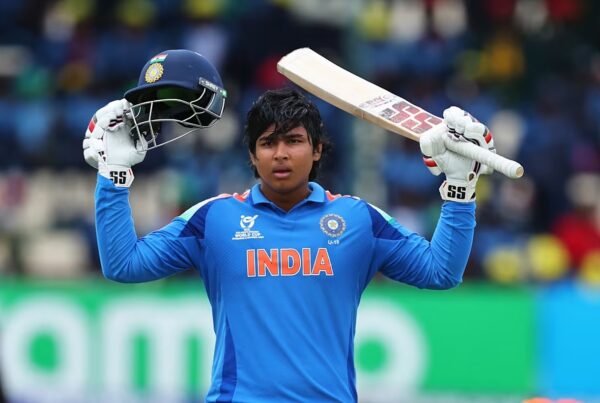
What made his achievements even more impressive was the quality of opposition he faced. Throughout the tournament, the teenager took on some of the world’s best bowlers, including Jasprit Bumrah, Pat Cummins, Mitchell Starc and Josh Hazlewood. Despite his age and limited experience, he showed little fear and consistently attacked elite international bowlers.
While former Australia captain Greg Chappell praised Vaibhav Sooryavanshi’s talent and fearless approach, he believes the youngster’s success has also highlighted a larger issue within modern cricket. Writing in a column, Greg Chappell argued that if a player who is still in his mid-teens can dominate world-class bowlers so easily, it raises questions about whether the game has become too heavily tilted in favour of batters.
According to Greg Chappell, Vaibhav Sooryavanshi’s rise is not a criticism of the young star but rather an example of how current playing conditions increasingly benefit batting. He suggested that advances in bat technology, shorter boundaries and flat pitches have made scoring easier than ever before while reducing the impact bowlers can have on matches.
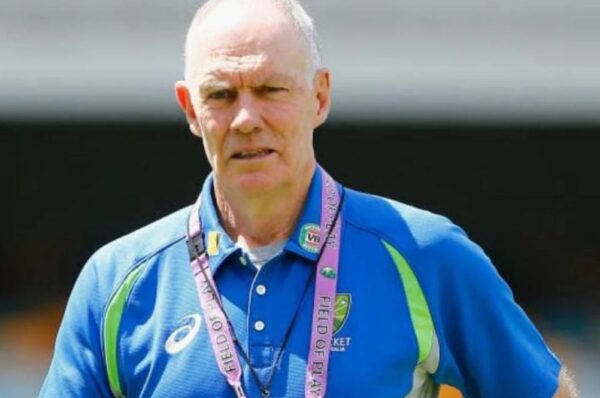


The former Australian skipper warned that if the balance between bat and ball continues to shift in one direction, T20 cricket could become repetitive. He believes the excitement of sport comes from uncertainty and competition, and that constant boundary-hitting risks taking away some of that drama.
Greg Chappell also argued that modern batters no longer need to work as hard for runs as previous generations did. In his view, six-hitting has become easier, while important aspects of the game such as running between the wickets and tactical battles between captains, bowlers and batters have gradually lost significance.
To address the issue, Greg Chappell proposed several changes aimed at restoring balance. One of his suggestions was limiting teams to losing a maximum of six wickets in a T20 innings, a rule he feels would encourage more thoughtful batting.
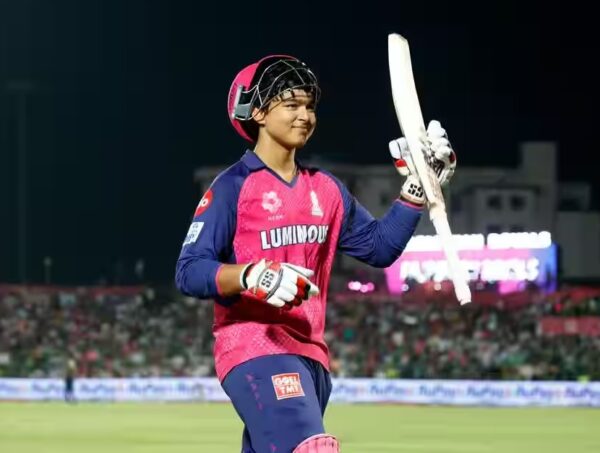
He also recommended preparing pitches with at least 3mm of live grass. Going further, he suggested leaving one half of the pitch grassy while keeping the other half dry and dusty, creating assistance for both fast bowlers and spinners.
Another proposal involved changing the leg-before-wicket (LBW) law so that any ball projected to hit the stumps would result in a dismissal, regardless of where it pitched.
Greg Chappell stressed that strengthening bowlers would not diminish the achievements of players like Vaibhav Sooryavanshi. Instead, he believes truly great players become even greater when they succeed in conditions that provide a genuine contest between bat and ball.