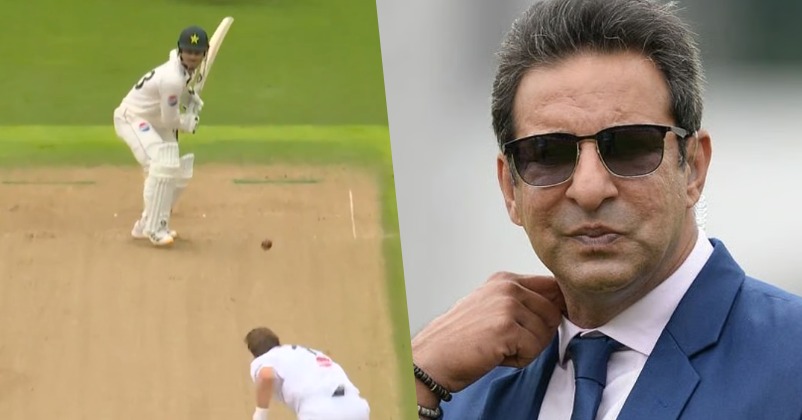
Pakistan cricket is in crisis and even one of its greatest heroes says he’s powerless to turn things around alone. Wasim Akram, the country’s fast-bowling icon and former captain, has opened up about just how deep the cracks in Pakistan’s cricket system really go and his verdict is grim.
Speaking to a sports website, Wasim Akram explained that Pakistan’s poor showing at the international level isn’t down to one bad day or one weak link. Instead, he pointed to widespread failures across batting, bowling and fielding, compounded by an unstable domestic first-class structure and inconsistent decision-making from the cricket board.

He revealed that he had predicted Pakistan’s heavy defeat in the Test series against England well before a ball was bowled, simply because the flaws in the batting and bowling lineups were so obvious.
Wasim Akram also pushed back on the idea that he alone could rescue Pakistan cricket. He said he’s constantly asked whether he can step in and fix things, but stressed that the problems go far beyond what any individual can solve. According to him, even the players currently representing the national side are essentially the best available, there’s no strong pipeline or support system feeding into the team from below.


He was blunt about the lack of consistency and patience in the domestic setup, saying this instability has directly stopped quality players from coming through the ranks via domestic tournaments.
On the team’s actual performance, Wasim Akram didn’t hold back either. He described the batting as struggling, the bowling as below par, and the fielding as even worse, calling it a simple, obvious problem rather than something complicated to diagnose.

Looking beyond the current series, Wasim Akram took particular aim at years of instability in the first-class system, arguing that this has had a direct, damaging effect on the quality of players eventually making it to the national team.
He made clear that the fallout from these issues is now visible across every department — batting, bowling, and fielding and that the blame doesn’t stop with the players or coaching staff. In his view, the problems run through the entire cricket ecosystem, not just selection calls or decisions made in the dressing room.
What is your take on this matter? Do let us know.
 Ex-Ind Coach Reveals Career-Threatening Injury Behind Rohit’s Fitness Issues, Calls Him A Ticking….
 Ex-Ind Player Reveals He Battled Depression For 18 Months After Being Dropped From Team India
 Rohit Sharma Finally Breaks Silence On Retirement Rumours, Reveals What He Has Been Hearing
 PCB Demands ₹23.73 Lakh Per Player For Nepal Premier League? Organisers Termed It Extortion