
In today’s fast-moving city life, convenience often takes priority over tradition. Between long office hours, traffic-filled commutes and packed schedules, many everyday habits that once defined home life are quietly fading away. Cooking, once considered a basic and essential life skill, is now becoming optional for many young adults living in urban India.

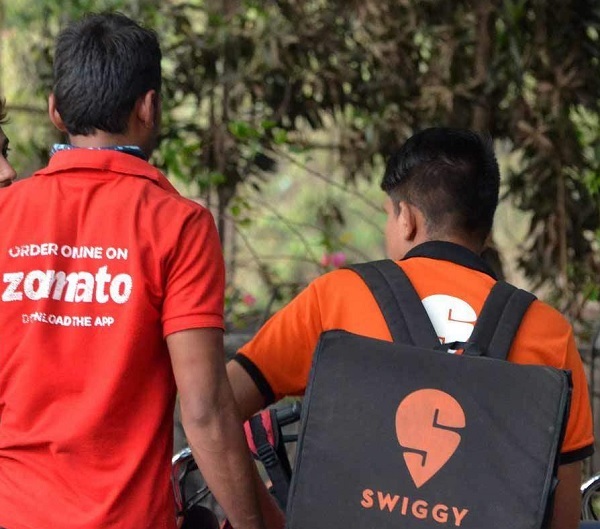
Dr Sunita Sayammagaru, who lives and works near Hyderabad’s IT corridor, recently shared her observations about this growing shift. While renovating her flat in the area, she noticed something that stood out. Many young professionals, whether single or married, had kitchens that were barely used. These spaces were kept minimal, not meant for cooking meals from scratch but mainly for reheating food ordered through delivery apps (Zomato, Swiggy, etc).
This observation matched what she has been hearing from her patients as well. According to her, many people in their early twenties, both men and women, admit that they simply do not know how to cook. Eating out or ordering food has become a routine rather than an occasional choice. While home-cooked meals are widely known to be healthier and more comforting, busy work lives and living away from family have made food delivery easier option.

Dr Sunita Sayammagaru pointed out that this growing dependence on ready-made meals is closely linked to rising health issues. She has seen an increase in problems related to diet, including obesity, diabetes, and other metabolic conditions. In her view, cooking is no longer just about preparing food. It is a skill that is slowly being forgotten or outsourced and the impact is beginning to show in people’s health.
She shared how one of her young patients, a 24 years old working woman she has known for years, confirmed the same trend. Most of her friends rely entirely on outside food. This patient, however, enjoys cooking and makes her own meals, something the doctor described as increasingly rare among her age group.
Here is her post:
https://x.com/drsunita02/status/2001655510471479589
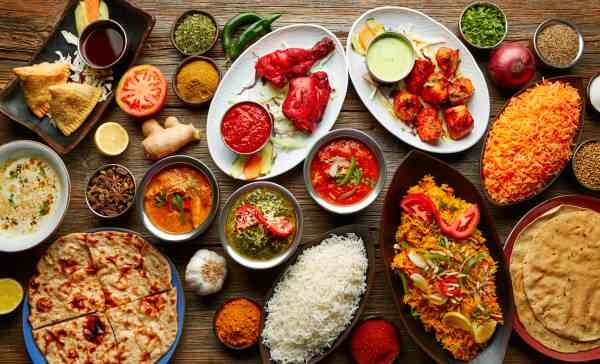
Dr Sunita Sayammagaru’s thoughts sparked a strong response online. Many people related to her concerns and shared their own experiences. Some parents felt proud that their children preferred home-cooked food over ordering in. Others spoke about spending decades cooking for their families while balancing demanding careers, saying they never saw it as a burden but as a meaningful part of daily life.
There were also comments highlighting how work schedules, especially in households where both partners are employed, leave little time or energy for cooking. Late dinners made up of quick breakfast items have become common. A few people reflected on cooking as something deeper than just a task. They described it as therapeutic, even healing, helping with mental well-being and offering a way to connect with others. Many admitted that while they cook, the taste and warmth of food made by their mothers or grandmothers feels impossible to recreate.
Some users felt that younger generations often see cooking as a chore instead of a life skill. They suggested that learning simple, healthy recipes could make it less intimidating and that doctors and nutritionists could help by offering practical guidance rather than just dietary advice.
Earlier, Dr Sunita Sayammagaru had also spoken about another modern habit that reflects the same rushed mindset. She noted how people now treat vacations like tasks to be completed. Instead of resting, they rush through destinations, trying to see everything and returning home more exhausted than refreshed. She believes travel, much like cooking, should be about slowing down and enjoying the moment, not ticking boxes.


https://x.com/drsunita02/status/1985176840449786166
Whether it is food or travel, her message remains clear — life feels richer when we pause, participate and reconnect with simple, meaningful experiences.
 Virat Kohli Responds To Rs 5 Crore Premanand Ji Ashram Visit Claim, Calls It Completely False
 Rajinikanth Arrives At ‘Dharman’ Shoot In An Auto-Rickshaw In Mysuru And Fans Can’t Stop Talking About It
 Sleep For ₹13.76 Lakh? Japan Is Hosting A Competition Where Sleeping Can Win You Huge Money
 Delhi Man Tracked His Zomato Order, Only To Find 2 Strangers Eating His Dinner