

Indian cinema has always thrived on innovation. Over the decades, filmmakers have constantly tried new ways to make movies more exciting for audiences. From the era of silent films to the arrival of sound, and later the shift from black-and-white to vibrant color films, every generation witnessed something groundbreaking. But during the mid-1980s, Indian cinema made a particularly bold leap, one that literally added a new dimension to movie watching – 3D.
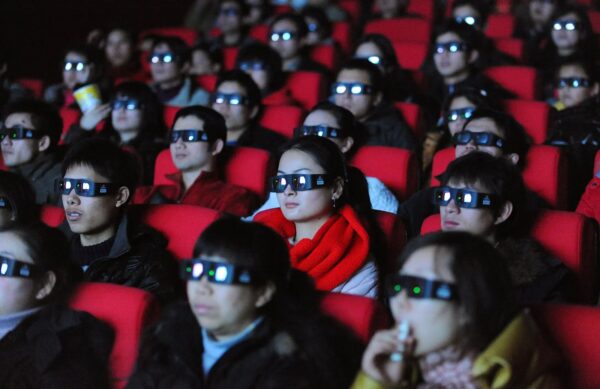
In the early 1980s, Indian filmmakers were already curious about emerging technologies that could make storytelling more engaging. Special effects at the time were quite basic compared to today’s standards, yet directors and technicians were eager to experiment. Around the world, 3D movies had started gaining attention, sparking curiosity among Indian filmmakers. The idea of bringing such technology to India sounded exciting but also challenging. After all, most audiences had never used 3D glasses or experienced stereoscopic projection in theaters.
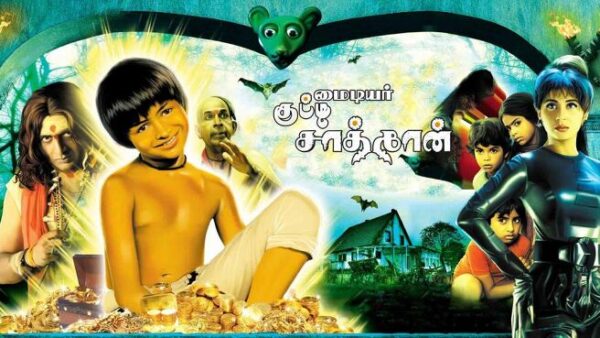
Despite these challenges, the experiment finally became reality in 1984 with the release of My Dear Kuttichathan. Directed by Jijo Punnoose, the film became India’s first ever 3D movie. The story revolved around a mischievous but lovable little ghost who befriends a group of children and takes them on magical adventures. While the plot itself was simple and designed for families and kids, the film’s real highlight was its technical brilliance.
For audiences watching it in theaters, the experience felt magical. Certain scenes made it seem as if characters were leaping straight out of the screen. One moment in particular, the famous “wall-walking” sequence, became widely talked about and left viewers amazed. For many people, it was their first time witnessing such a visual illusion on the big screen.

The film broke new ground in multiple ways. Most importantly, it introduced Indian viewers to stereoscopic 3D technology, which required audiences to wear special glasses to create the illusion of depth. At the same time, it showed that Indian filmmakers could adopt global technological innovations while still telling stories rooted in local culture. Interestingly, while many Hollywood 3D films of that era leaned toward horror or monster themes, My Dear Kuttichathan chose a fun, family-friendly fantasy that appealed to both children and adults.
The response was overwhelming. Crowds flocked to theaters just to experience the novelty of 3D. Long queues became common outside cinema halls and wearing 3D glasses quickly turned into a cultural craze. Years later, the film found a second life when it was dubbed in Hindi as Chhota Chetan and released in 1998. The Hindi version introduced the magical story to an entirely new generation and became equally popular.
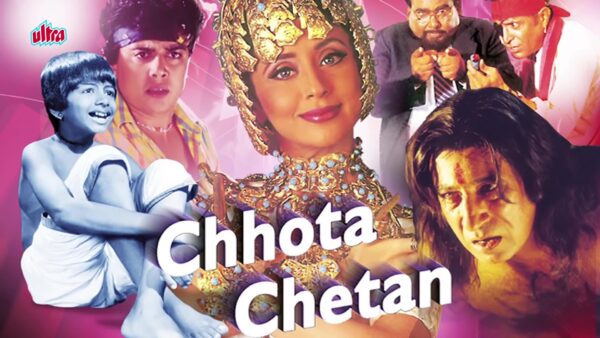
What makes the film even more impressive is the way its effects were created. At a time when computer-generated imagery was rare, the movie relied heavily on practical effects, clever camera work and creative set design. The iconic wall-walking scene, for example, was achieved through ingenious technical planning rather than digital editing. This showcased the remarkable creativity and resourcefulness of Indian technicians working with limited tools.
The success of India’s first 3D film opened doors for future technological experiments in the industry. Over the years, Indian cinema has embraced CGI, advanced VFX and IMAX formats, but the pioneering spirit of My Dear Kuttichathan still stands out. It proved that audiences were ready to embrace new cinematic experiences and that innovation could beautifully blend with traditional storytelling.