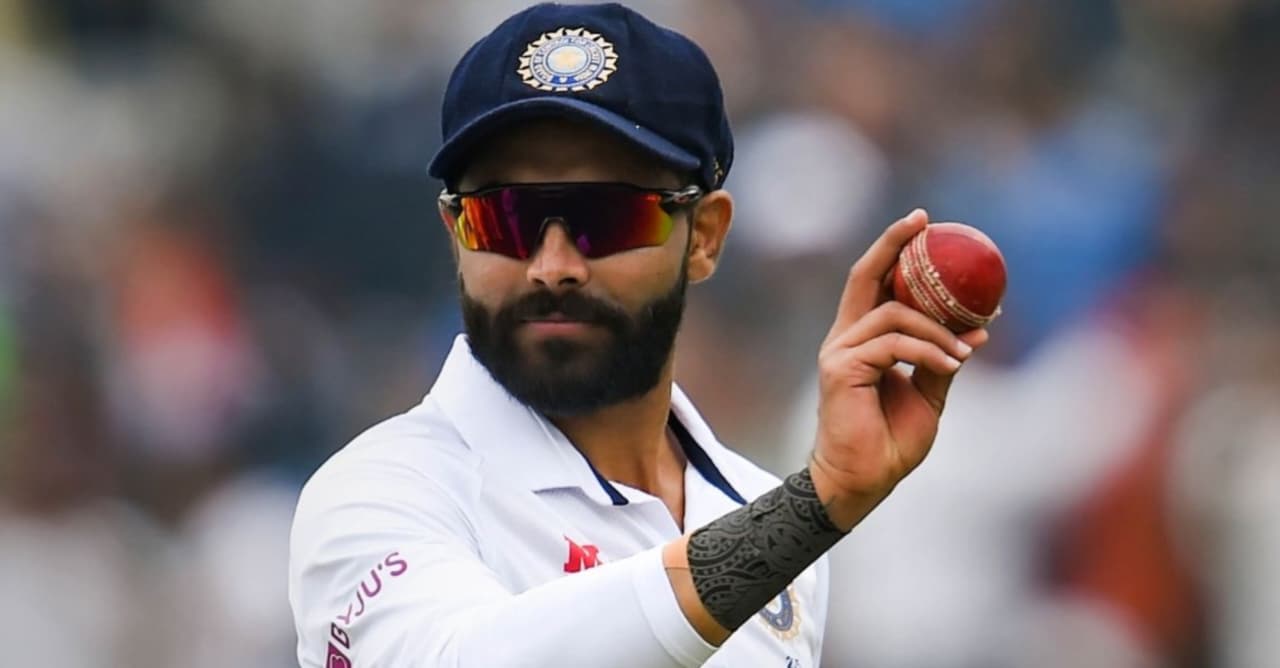
Ravindra Jadeja has opened up about a difficult phase in the early part of his Test career, revealing how his batting position affected his confidence after making the jump from domestic cricket to the Indian team.
Ravindra Jadeja had already built an impressive reputation in domestic first-class cricket. His record in the Ranji Trophy and Duleep Trophy was excellent, with his batting average above 60. He is also one of the few batters to have scored a triple century in the Ranji Trophy.
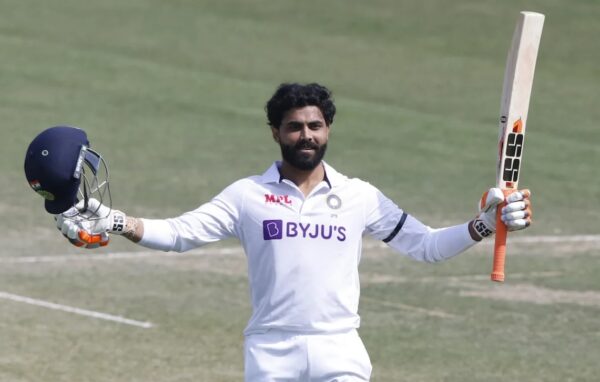
However, things were different when he entered the Indian Test setup. Jadeja explained that players can naturally experience self-doubt when they move to international cricket, especially when they are not given the batting position where they have traditionally performed well.
He said that his strong domestic record gave him confidence in his batting ability but being pushed down the order after joining the Indian team made him question whether the team trusted him enough as a batter.
Watch The Video:
https://x.com/SonySportsNetwk/status/2088905347960320460
Click here to watch this video directly on X
There were occasions when Jadeja had to bat at No. 8 or No. 9, positions much lower than what he was accustomed to in domestic cricket. He recalled sitting in the dressing room with his pads on while waiting for his turn, sometimes watching a fast bowler choose a ball nearby. Such moments made him question his role in the team and affected his morale and confidence.


Ravindra Jadeja’s Test numbers show just how frequently he has batted in those positions. He has played 32 Test innings at No. 8, where he averages 34.22. He has also batted at No. 9 on 12 occasions, with his average at that position rising to just above 40.
Despite those early doubts, Ravindra Jadeja’s domestic record had already given him the belief that he possessed the ability to contribute with the bat. His journey highlights how challenging the transition from domestic cricket to international cricket can be, particularly when a player is given a role different from the one in which he has traditionally succeeded.
 Not Sachin Tendulkar But This RCB Star Is The Best White Ball Cricketer, Says Sourav Ganguly
 Ruturaj Gaikwad’s Special Message For CSK Teammate After His Stunning 5-Wicket Haul
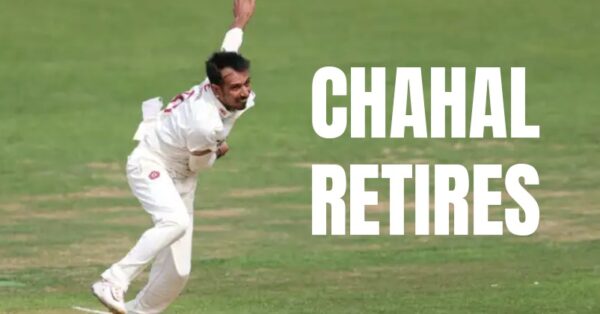 Yuzvendra Chahal Announces First-Class Retirement At 36, But He Is Not Done Yet….
 Gautam Gambhir Slams Guwahati Pitch After India-WI Run-Fest As India Wins After Record Chase